


Assessment of the 2026 A-level examinations – subject-specific component
The school-leaving exams for classes 4.ER, 4.EM, 4.EE and 4.S marked the end of another chapter in our students’ journey and revealed the different stories of each class.
Some students maintained their consistently excellent results, whilst others managed to pleasantly surprise everyone during the exams by performing better than they had during their studies. Whilst some students have already passed their exams, others still have a resit to take; nevertheless, the overall course of the exams can be regarded as a success and a fitting conclusion to four years of study.
Class 4.ER
Number of graduating students: 29 students
Overall result:
passed with distinction: 10 students
benefited: 15 students
Failed: 4 students
Practical A-level examination and A-level dissertation:
21 students sat the practical A-level exam, and all of them passed
Eight students presented their final-year projects, and all of them passed
Assessment tests:
Czech language: 29 students passed
Basic mathematics: 21 students passed the compulsory exam; 3 students passed the optional exam
Advanced mathematics: 5 students passed, 3 students failed
English: 8 students passed
Three students used their English language certificate
Brief summary:
Class 4.ER had a reputation during their studies as a stable class with no significant academic problems. The results of the school-leaving examination were therefore surprising in some respects, particularly given the number of students who failed. On the other hand, ten students passed their school-leaving exams with distinction, which shows that a significant proportion of the class had approached their studies responsibly over the long term.
The practical component of the school-leaving examination and the final project with its defence were particularly successful, with all students passing. The long-term graduation projects clearly demonstrated that the students were able to combine theoretical knowledge with practical skills and showed an interest in their field. Overall, the class demonstrated that many students are well prepared for further study and professional life.
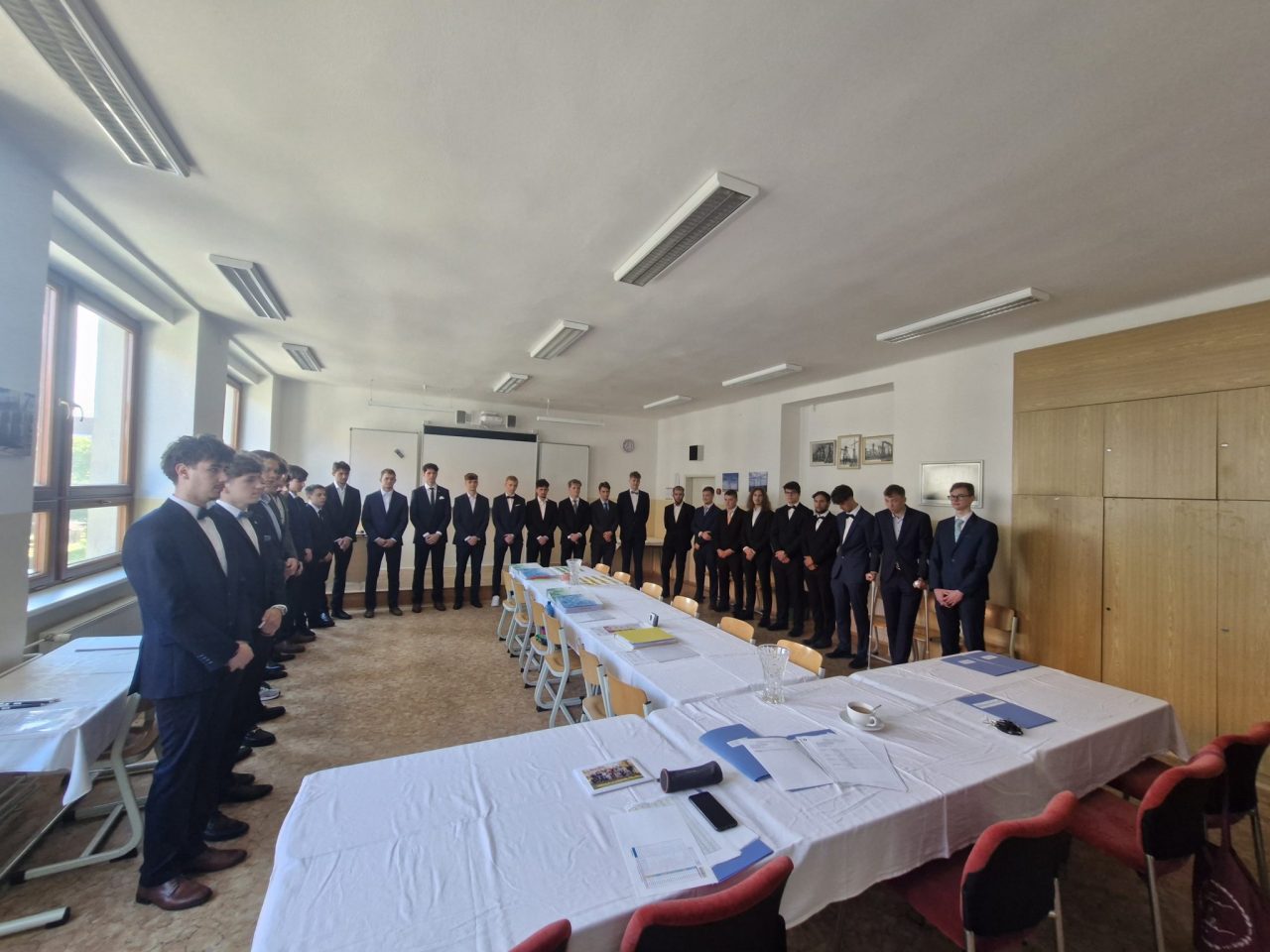
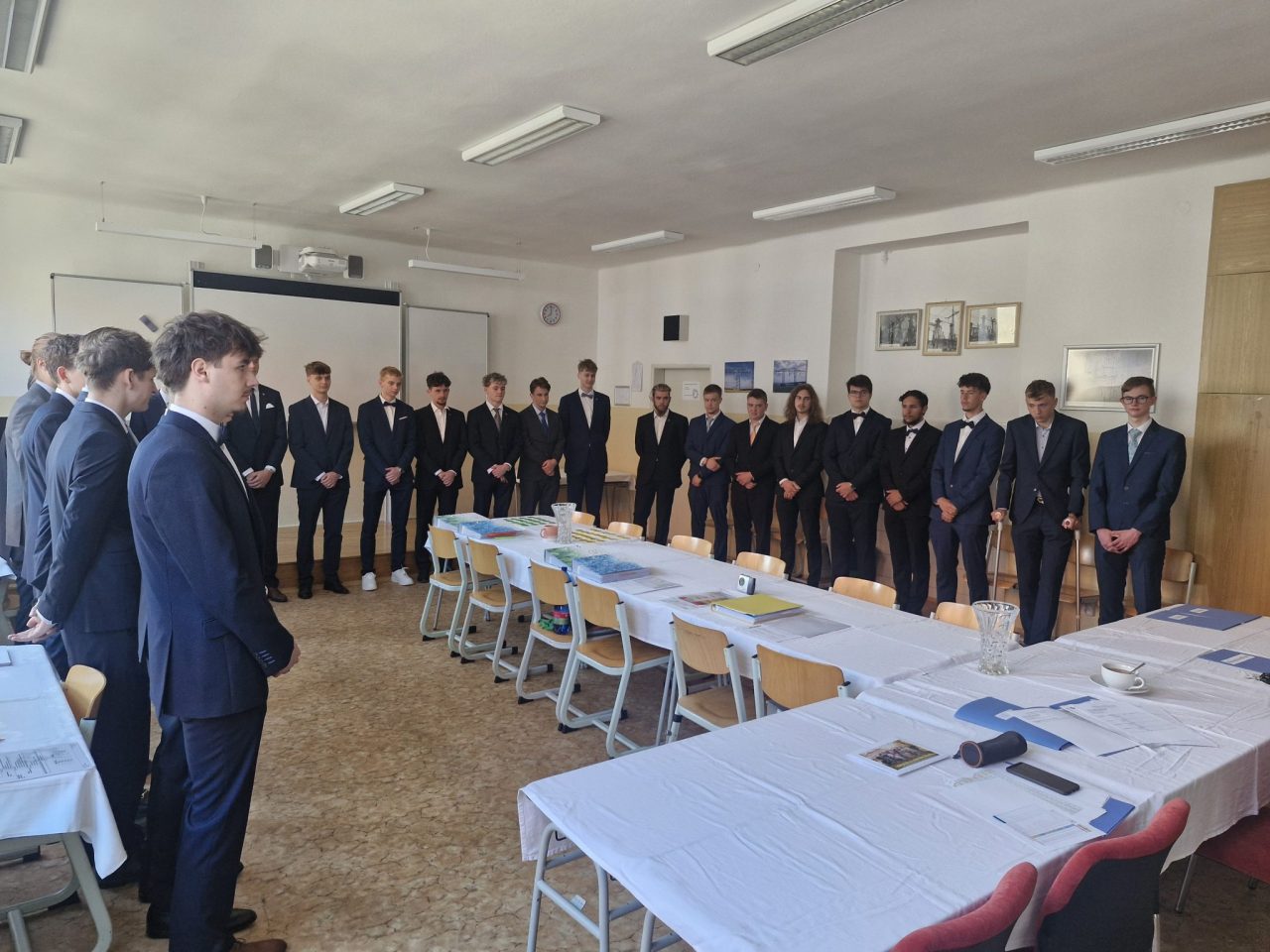
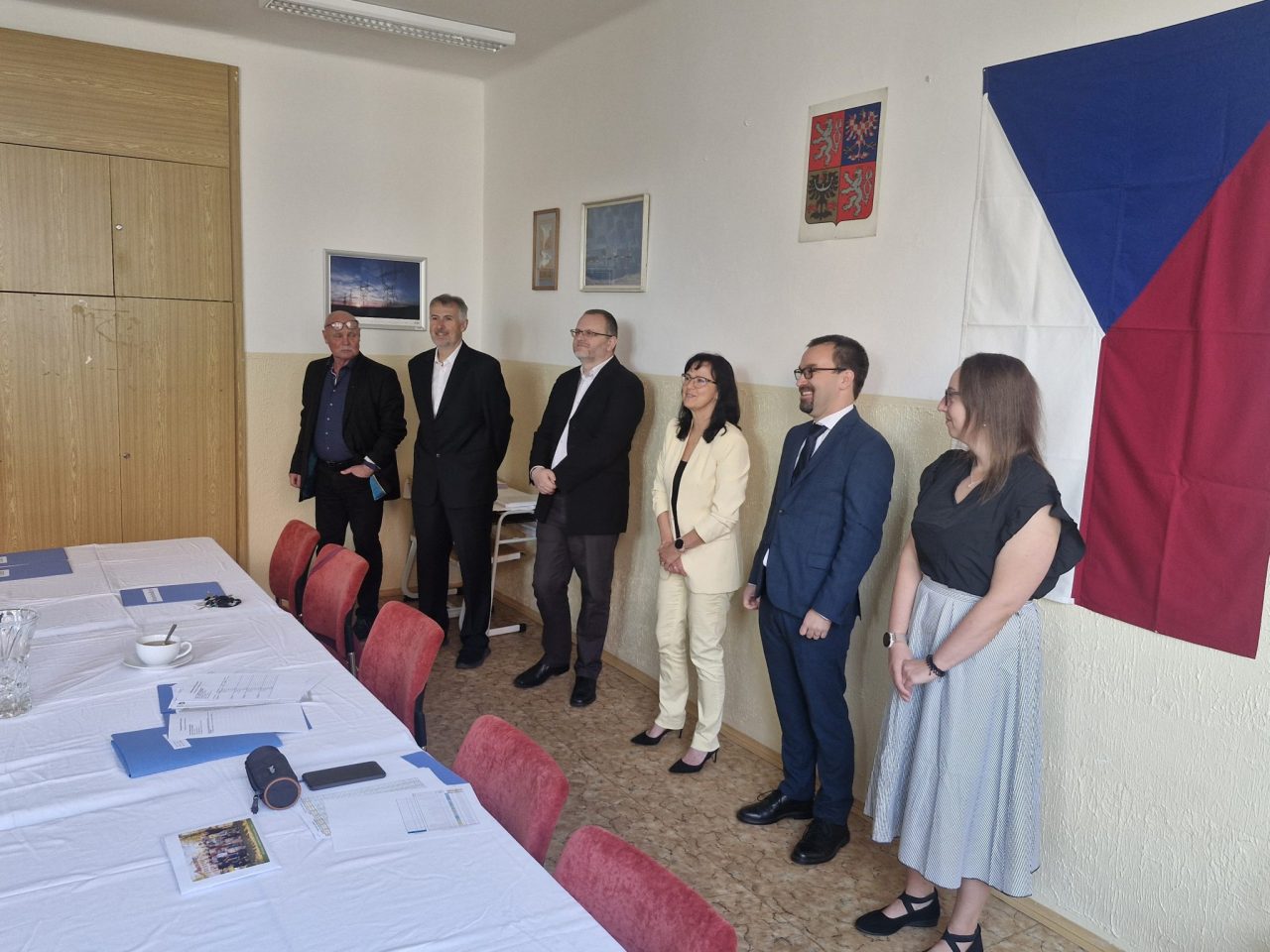
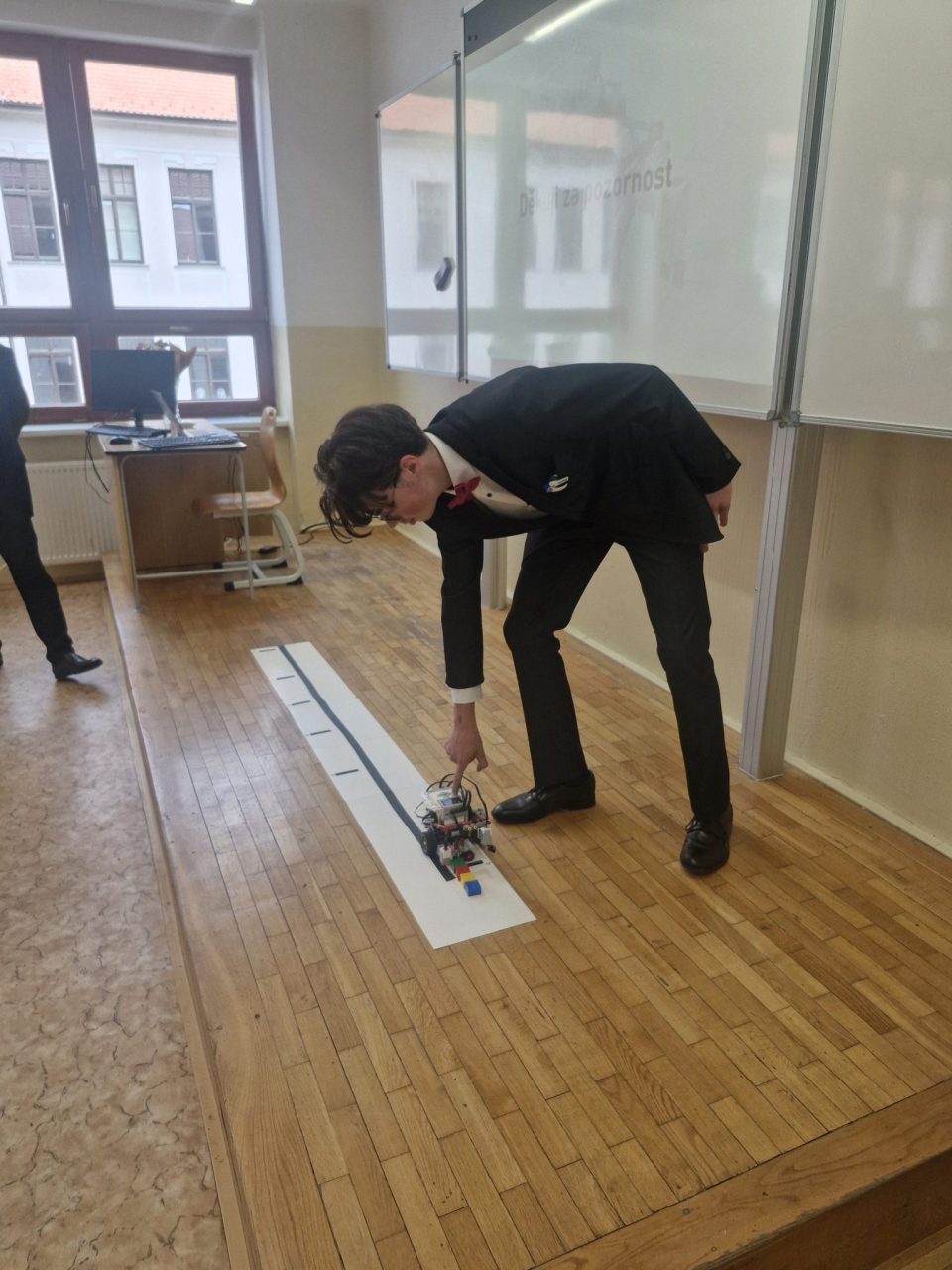

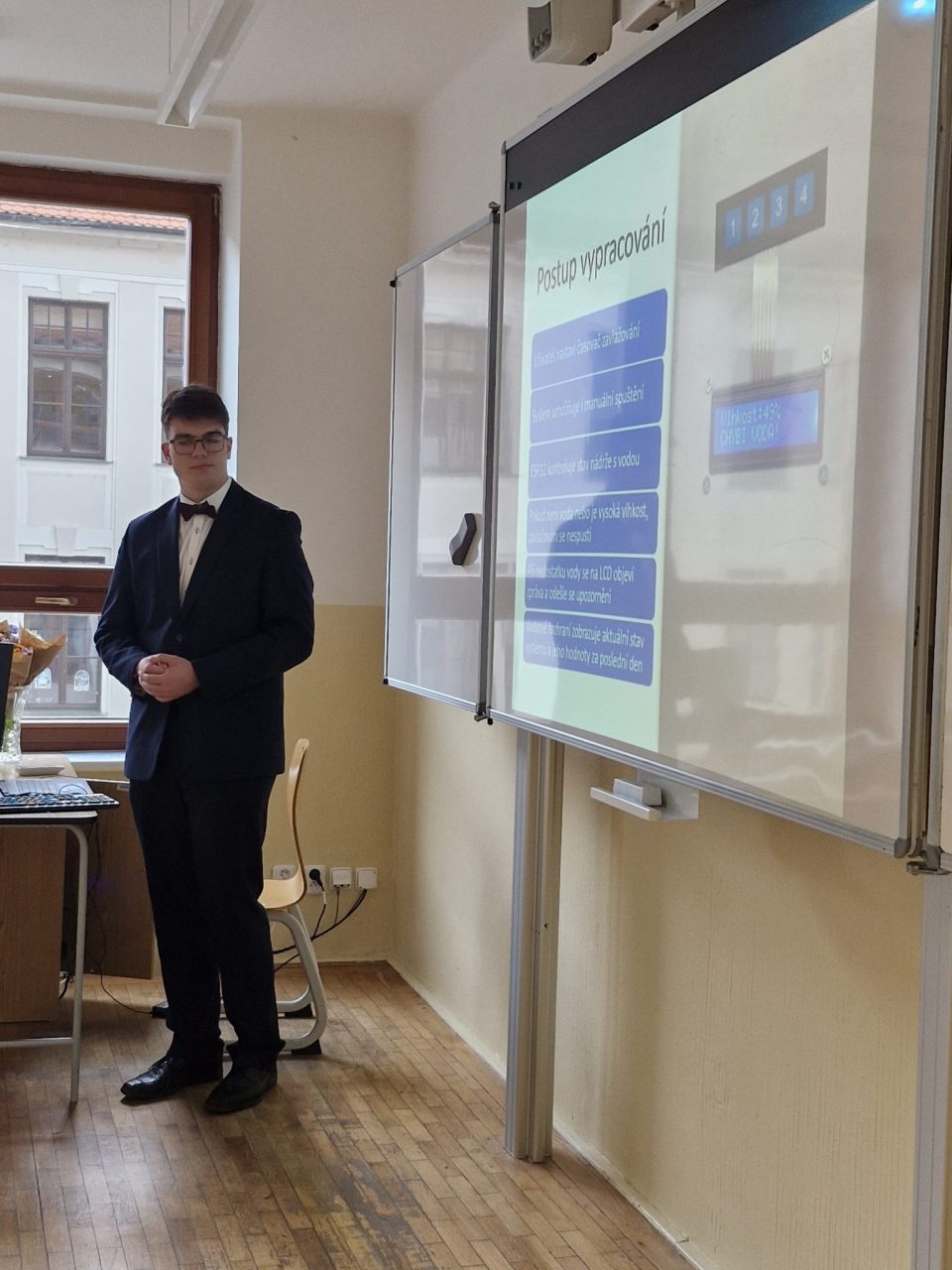
Class 4.EM
Date of the practical exam: 7. 5. 2026
Date of the specialised section of the school-leaving examination: 19 May 2026 – 21 May 2026
Number of graduating students: 18 students
Note: Two students did not complete their fourth year and therefore did not sit the school-leaving exams.
Overall result:
passed with distinction: 1 student
benefited: 12 students
Failed: 5 students
The practical section:
Three students failed the oral exam
Four students failed the practical part of their A-levels
One student failed the written exam
Two students presented their final-year projects; both passed
Brief summary:
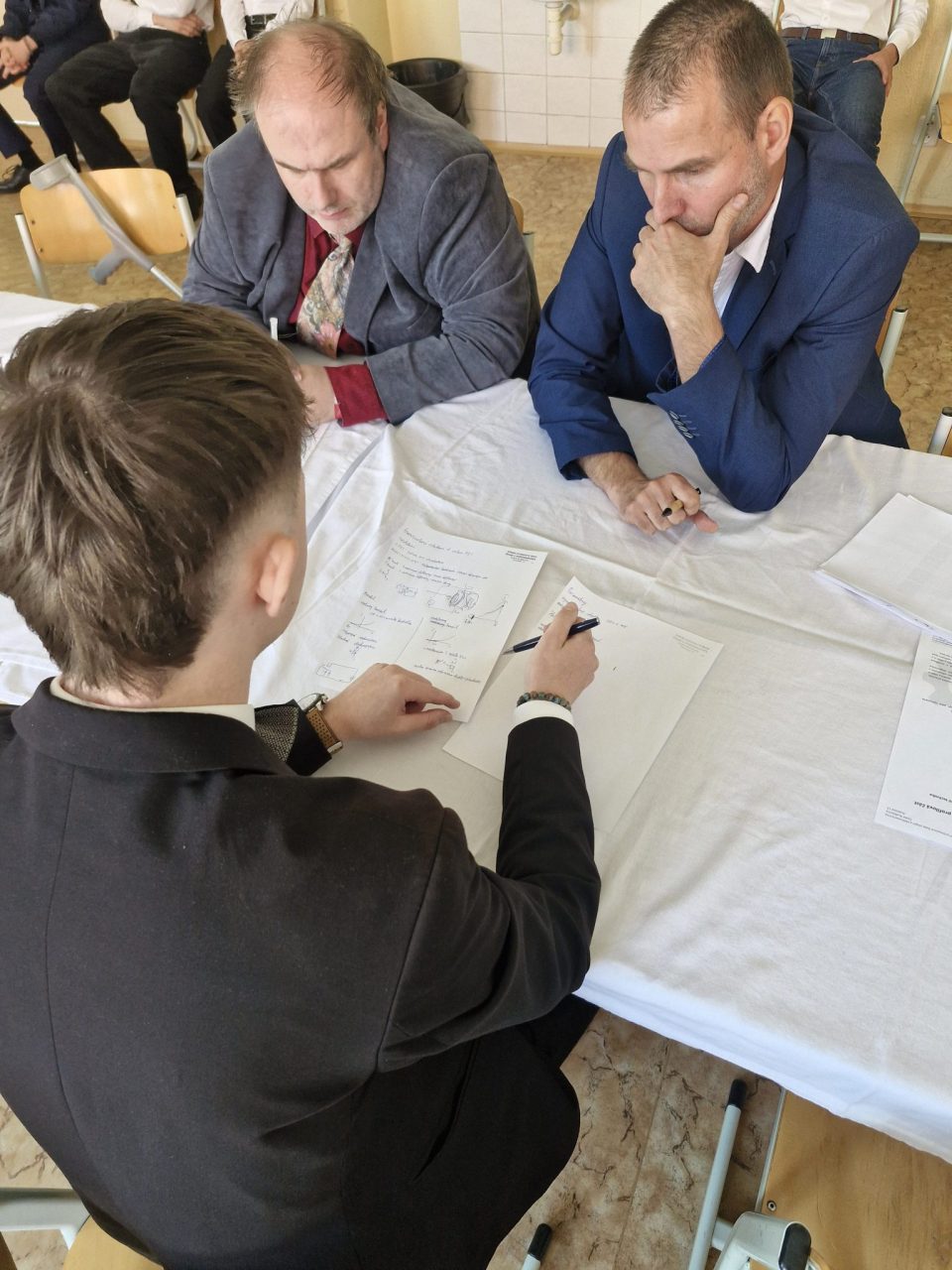
Class 4.EM was the first class in the new subject area of Electromobility and Alternative Propulsion Systems. Some students achieved very good results during their studies, whilst others progressed with only the bare minimum. This was particularly evident in the practical part of the school-leaving examination, which proved challenging for some students.
However, during the oral exams, many students managed to surprise us and performed better than their coursework results would suggest. It was clear that they had prepared for the exams and were determined to pass their school-leaving exams. Overall, the school-leaving exams can be considered a success, although some students will still need to demonstrate their knowledge and skills during the resit period.
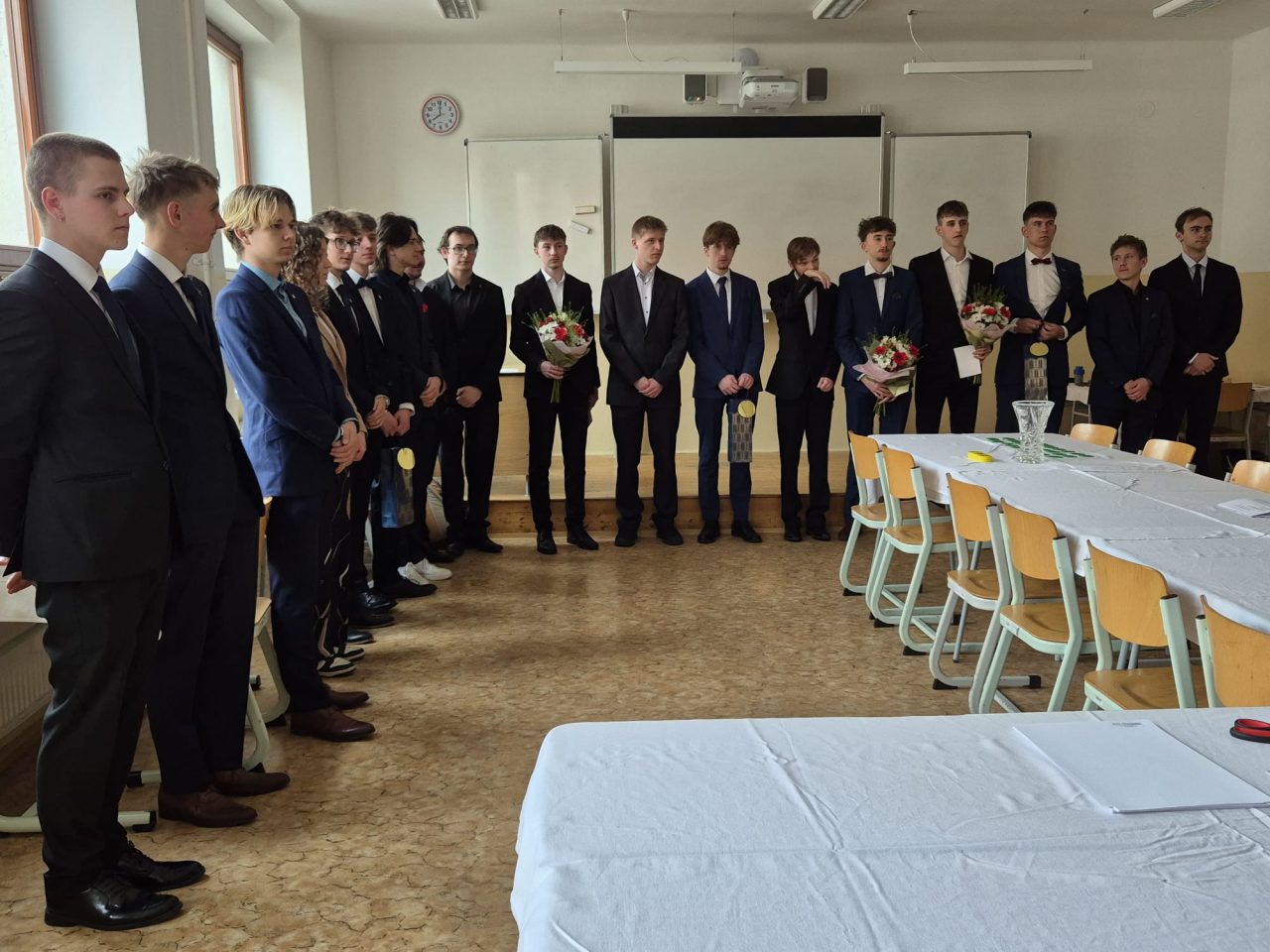
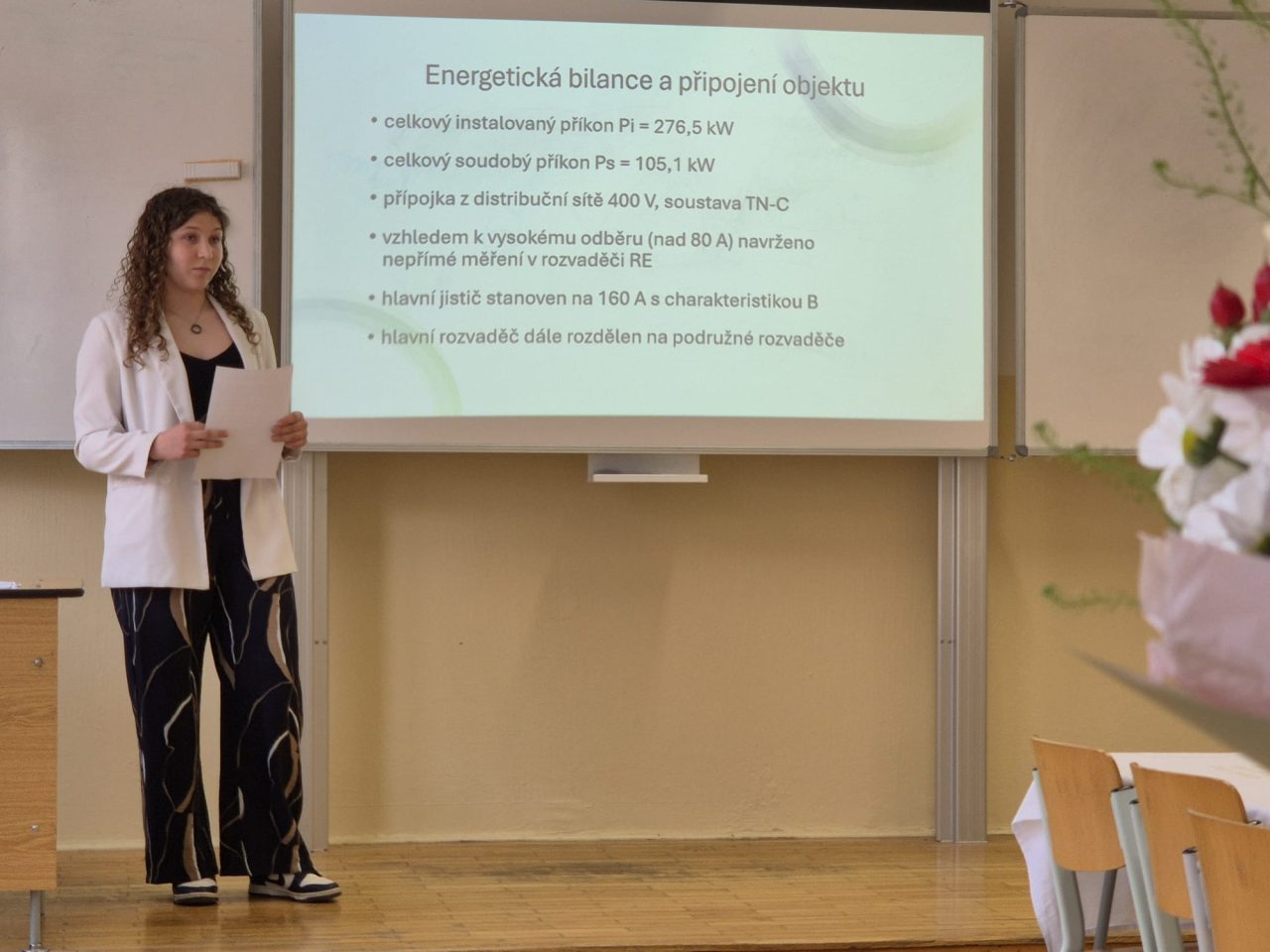


Class 4.EE
Date of the practical exam: 11. 5. 2026
Date of the specialised section of the school-leaving examination: 24 May 2026 – 28 May 2026
Number of graduating students: 23 students
Overall result:
passed with distinction: 7 students
benefited: 13 students
failed: 3 students
State section:
Twenty-three students sat the Czech language assessment test, and all of them passed
Nine students sat the English language assessment test; all of them passed
Four students sat an English language written exam
Five students used their B2 certificate as a substitute for the oral exam and written assignment
14 students sat the maths assessment test; 1 student failed
Two students sat the advanced mathematics assessment test; both passed
Subject-specific and specialised section:
Twenty-three students sat the oral Czech language exam, and all of them passed
Four students sat the oral English exam; all of them passed
23 students took the specialised module ‘Electrical Machines and Apparatus’; 1 student failed
23 students successfully passed the specialist module in Electrical Power Engineering
20 students successfully passed the practical examination
Two students presented their final-year projects; both passed
Brief summary:
Class 4.EE’s academic performance was generally average throughout their studies. A significant proportion of the students only began to approach their revision more systematically towards the end of their studies, when they fully realised the importance of the school-leaving exams.
However, during the oral exams, the students often demonstrated that they were able to prepare themselves and, in some cases, even surprise us with their knowledge. It was clear that they wanted to pass the oral part of the school-leaving exams, and their preparation and performance reflected this. Overall, the school-leaving exams can be assessed as a success, with predominantly positive results. Even students with lower marks had to demonstrate specific knowledge, effort and the determination to pass the exam.


Class 4.S
Date of the practical exam: 11. 5. 2026
Date of the specialised section of the school-leaving examination: 24 May 2026 – 28 May 2026
Number of students who sat the exam: 27 students
Note: The exams also included students sitting resits from the previous term.
Overall result based on the information provided:
passed with distinction: 10 students
benefited: 17 students
failed: 2 students
Public section:
Twenty-seven students sat the Czech language assessment test, and all of them passed
Two students sat the English language assessment test; both passed
Twenty-five students sat the maths assessment test; all of them passed
Subject-specific and specialised section:
27 students sat the oral Czech language exam; 2 students failed
Two students sat the oral English exam; both passed
27 students successfully passed the specialist module ‘Machine Design and Operation’
27 students successfully passed the Engineering Technology module
25 students successfully passed the practical examination
Two students presented their final-year projects; both passed
In the Economics stream, one student took the specialised module ‘Mechanical Engineering 1’ and passed
Brief summary:
Class 4.S consistently achieved very good academic results throughout their time at school. Most of the pupils were keen to achieve good results, and some of them also successfully represented the school in competitions.
During the oral school-leaving exams, the students generally demonstrated that they were able to prepare well for the exams, even though some of their results at the end of Year 13 had not always been entirely convincing. It was clear that the students wanted to pass the school-leaving examination, and their preparation and performance reflected this. Overall, the school-leaving examinations can be assessed as a success. Students had to justify their results with their knowledge, and even to achieve a pass mark, it was necessary to demonstrate a specific level of performance.


(editors)
 English
  Czech
Czech