As part of the Erasmus programme, our teachers Lubomír Krejsa and Pavel Kotrlík took part in a shadowing at the Institut Pompeu Fabra in Barcelona. During the visit they got to know the school's facilities, the way of teaching technical subjects and cooperation with employers. The main benefit was the comparison with our environment and getting acquainted with a different approach to students and the organization of teaching.
Share:
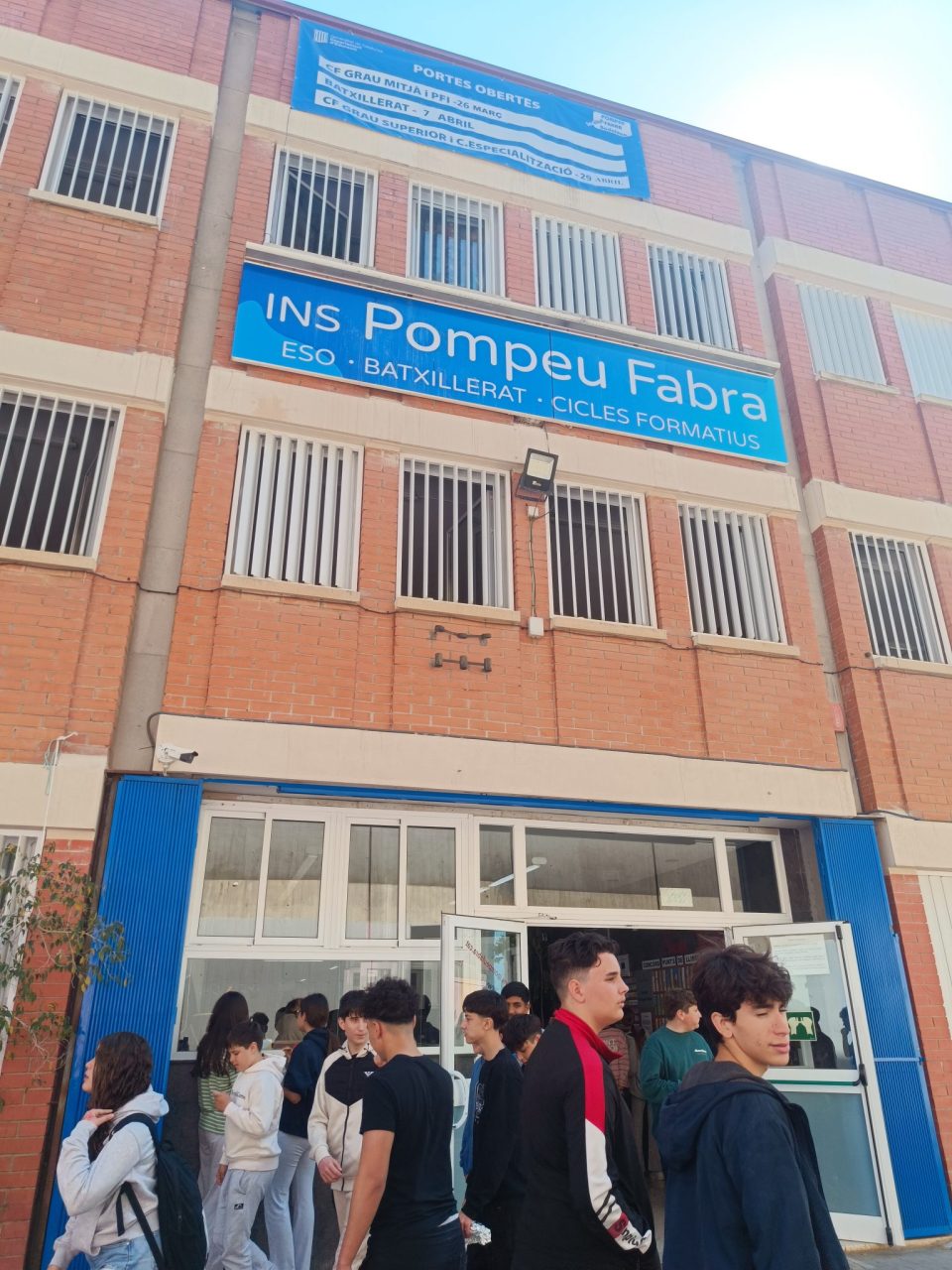
From 19-25 April 2026, we participated in an Erasmus shadowing programme at the Institut Pompeu Fabra in Barcelona. The programme started with a tour of the school's extensive campus, which consists of a multi-storey main building, other halls and buildings, as well as an outdoor sports field. These are used extensively during the longer breaks, especially for football and basketball.
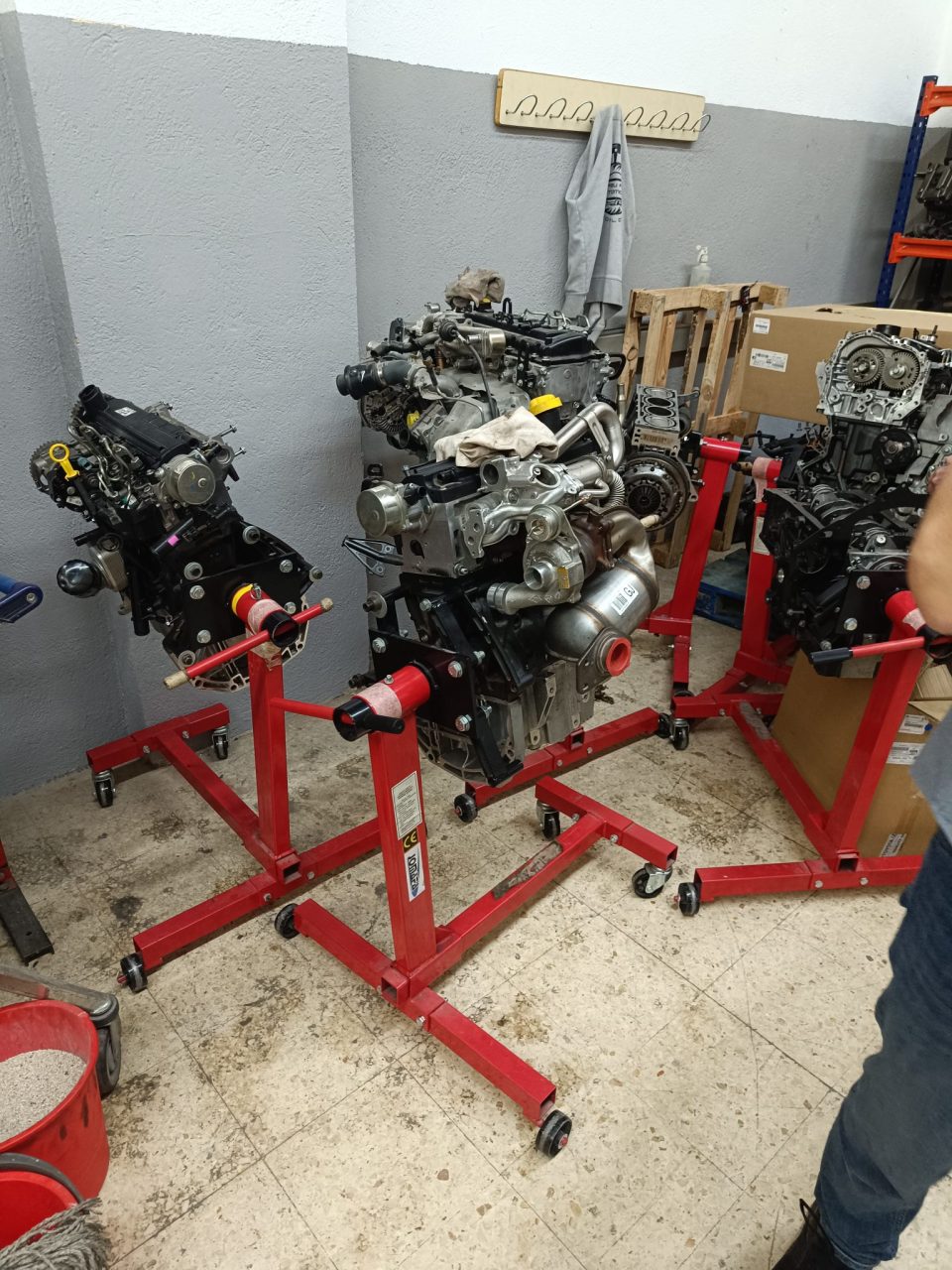
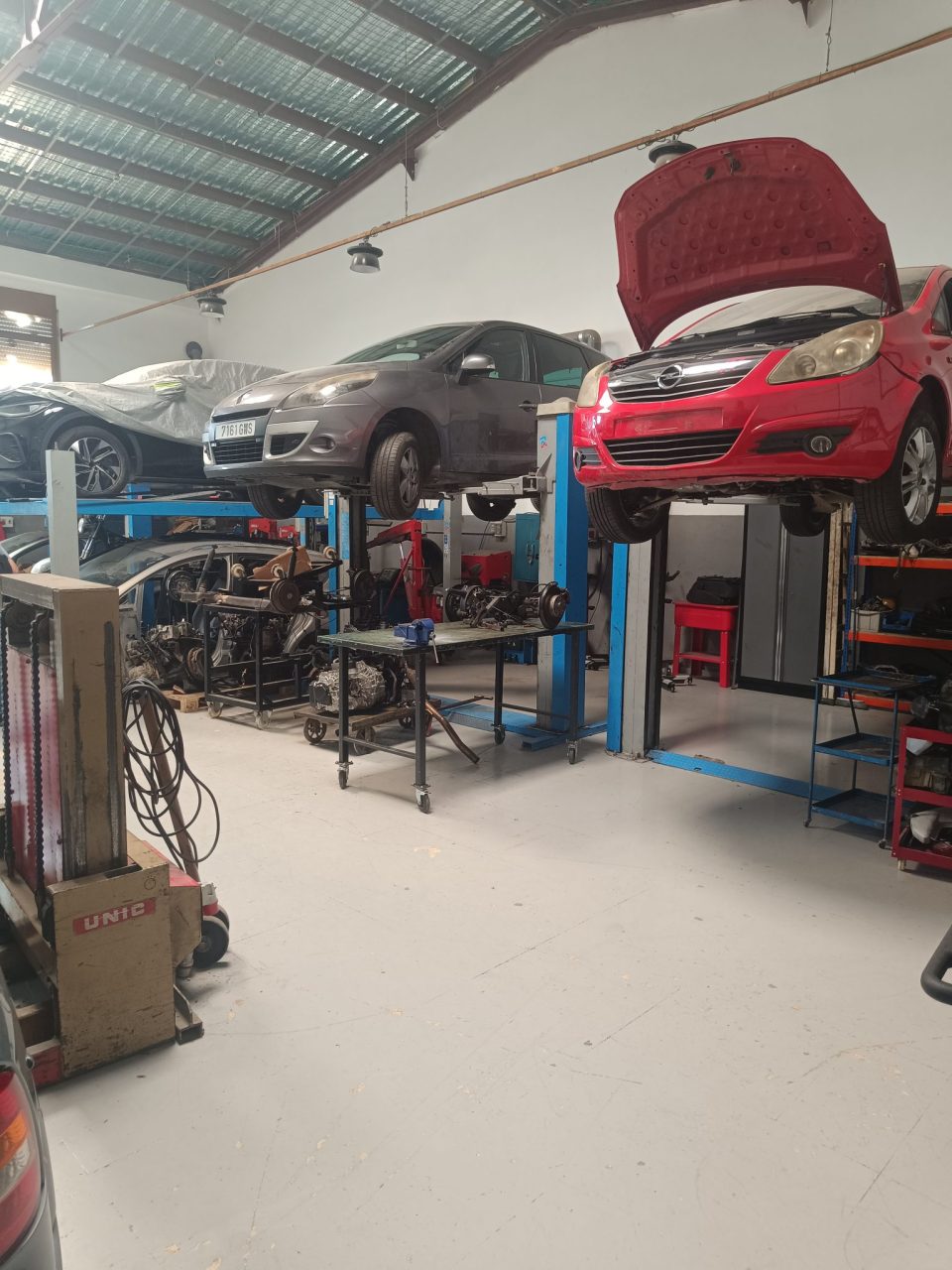
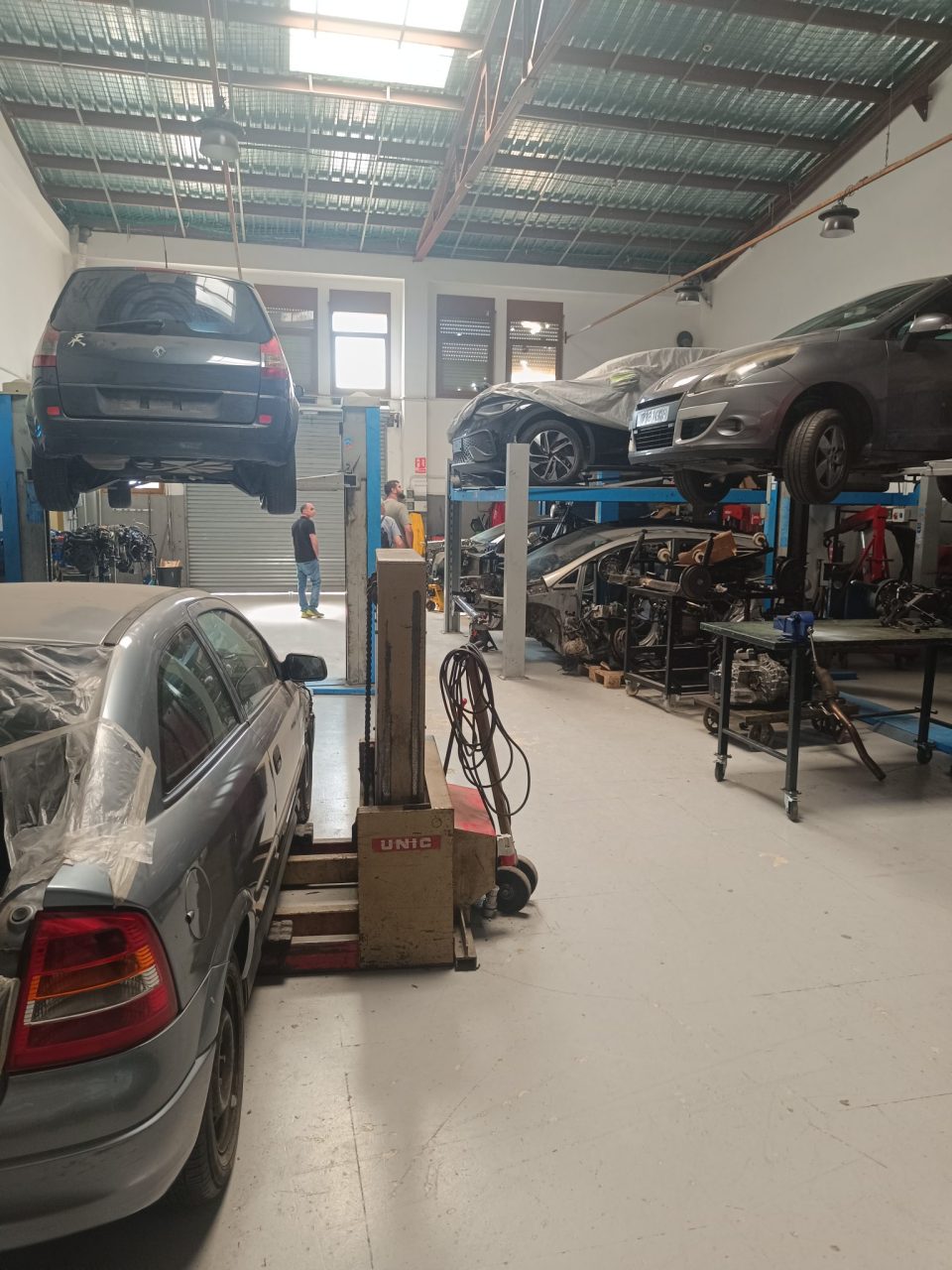
Workshops + combustion engines:
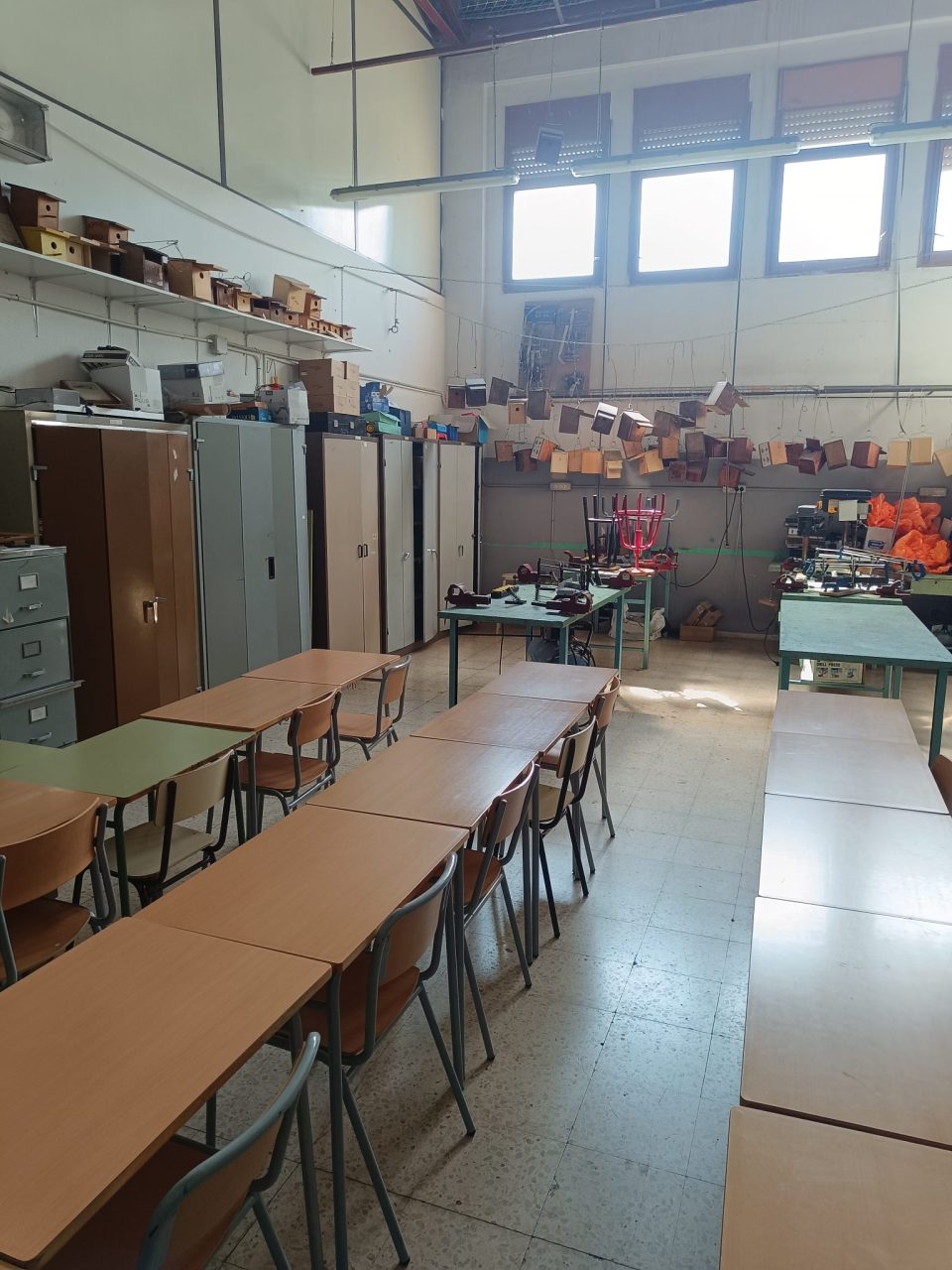
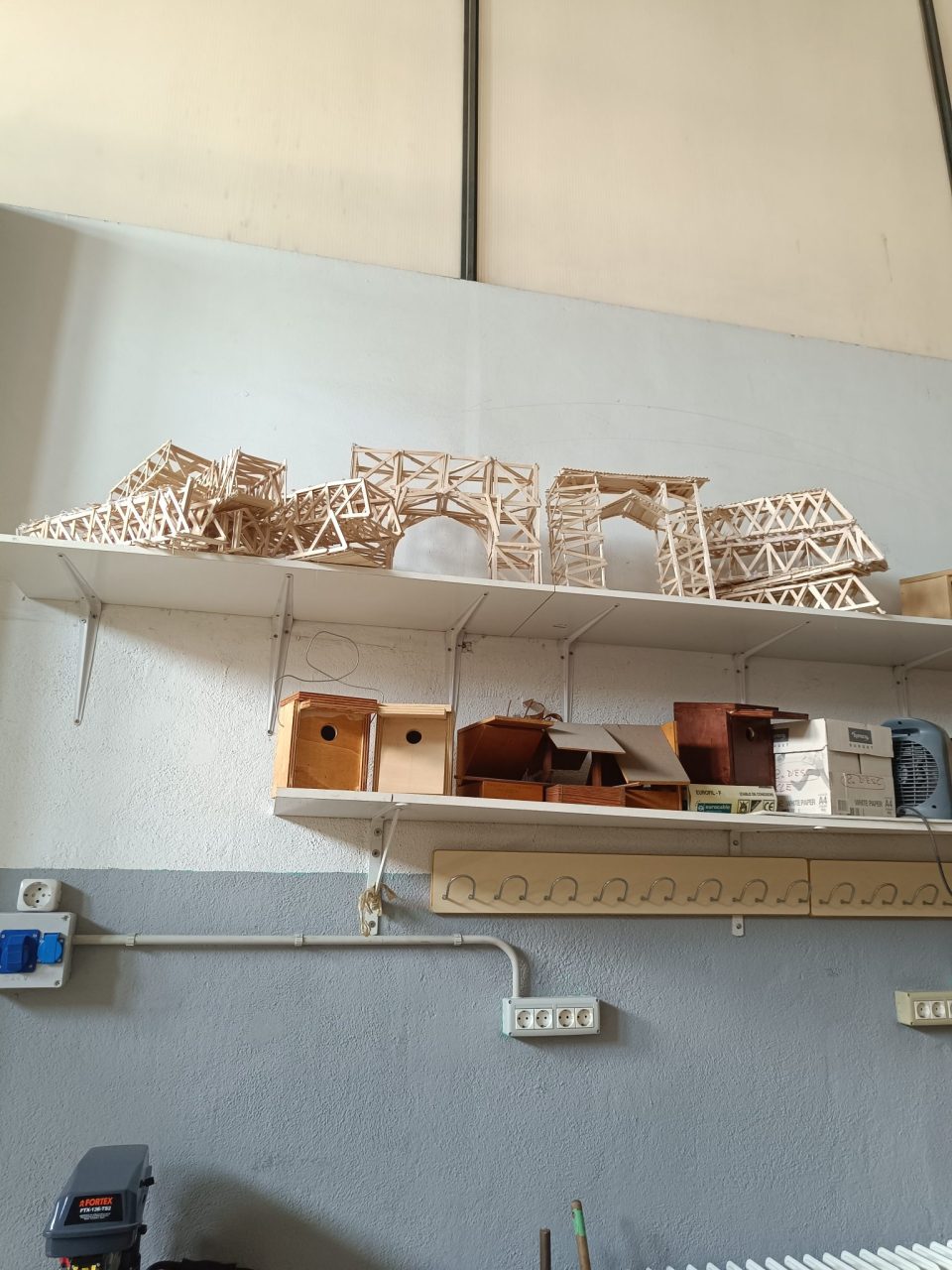
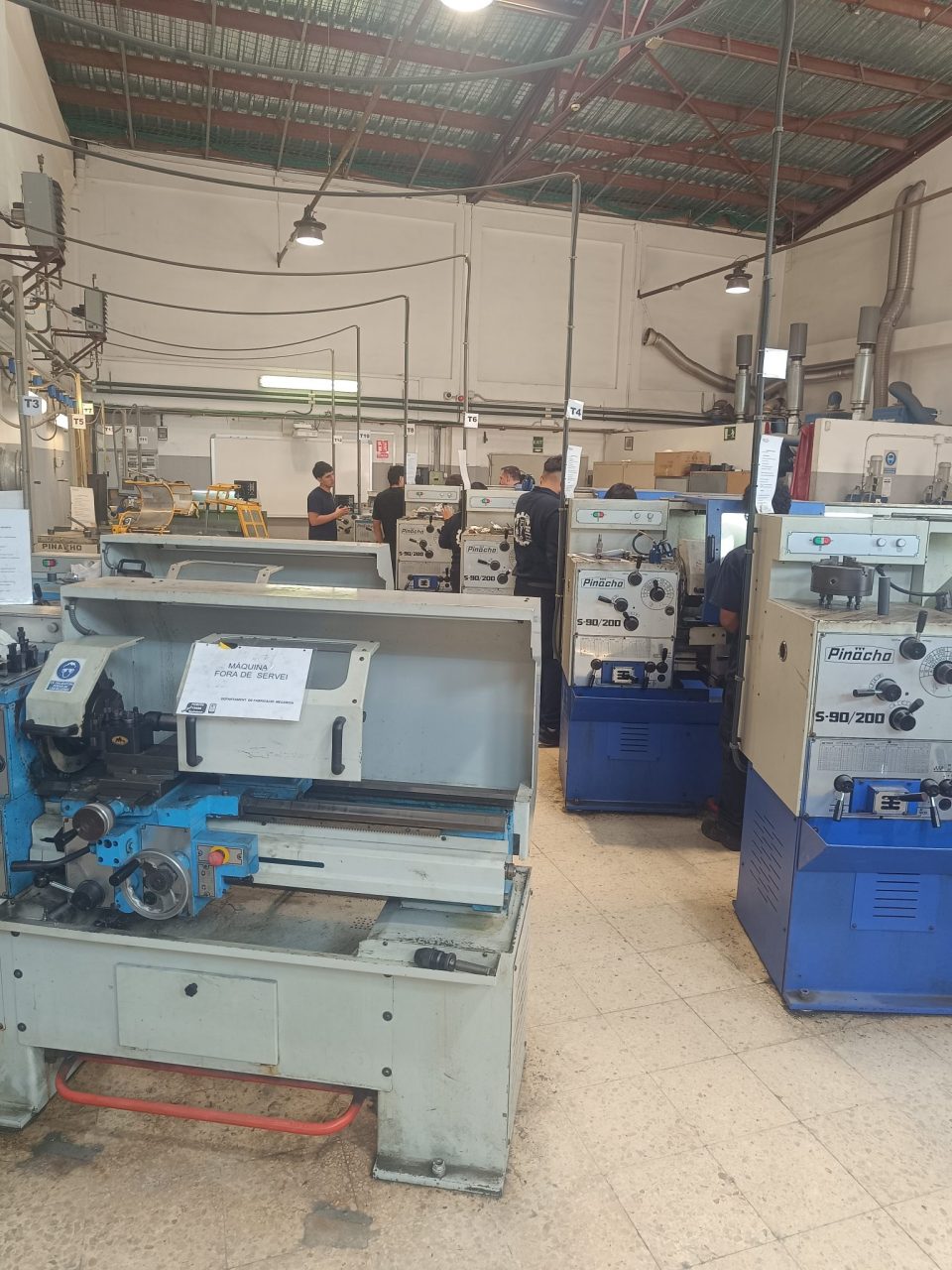
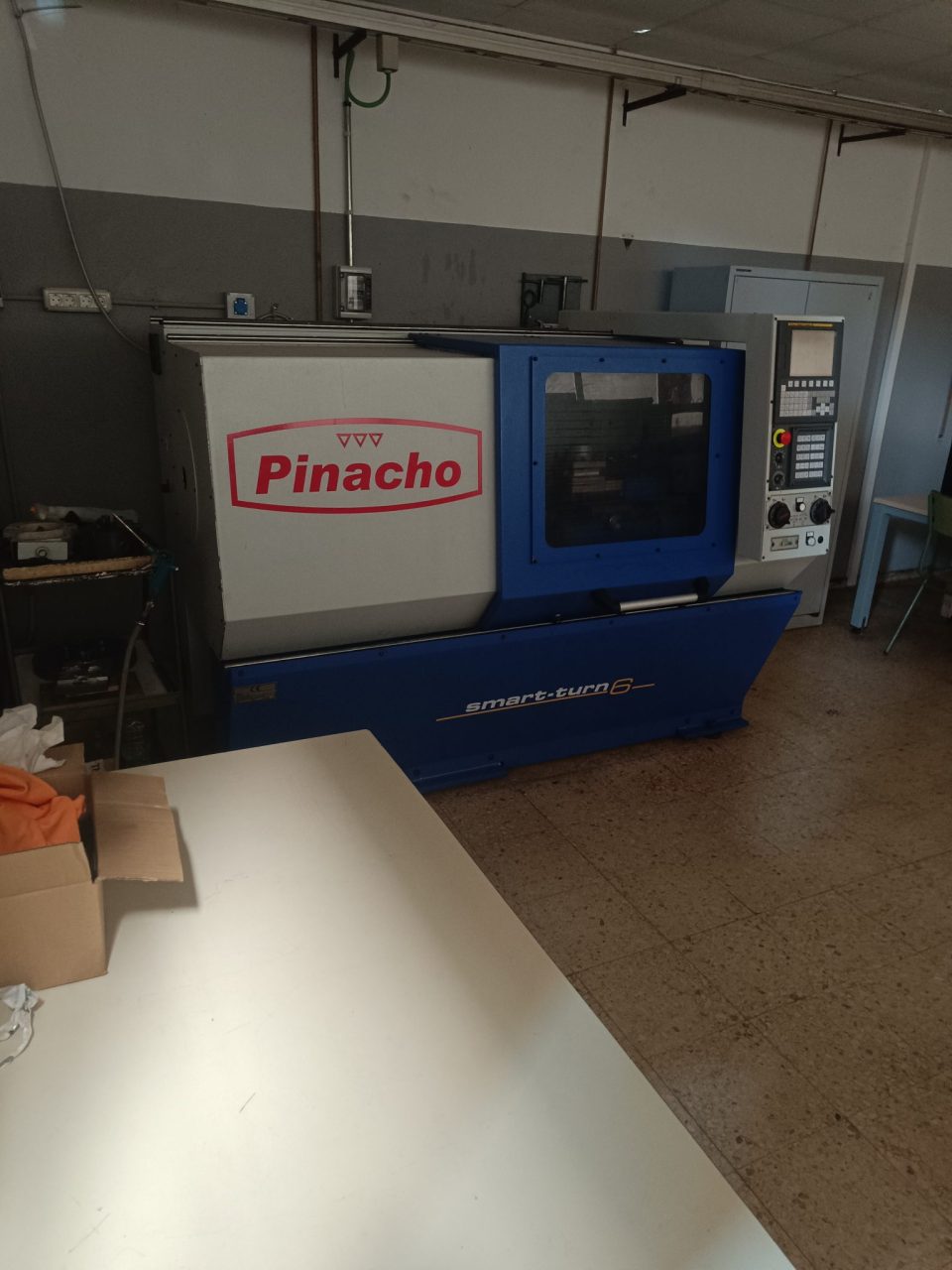
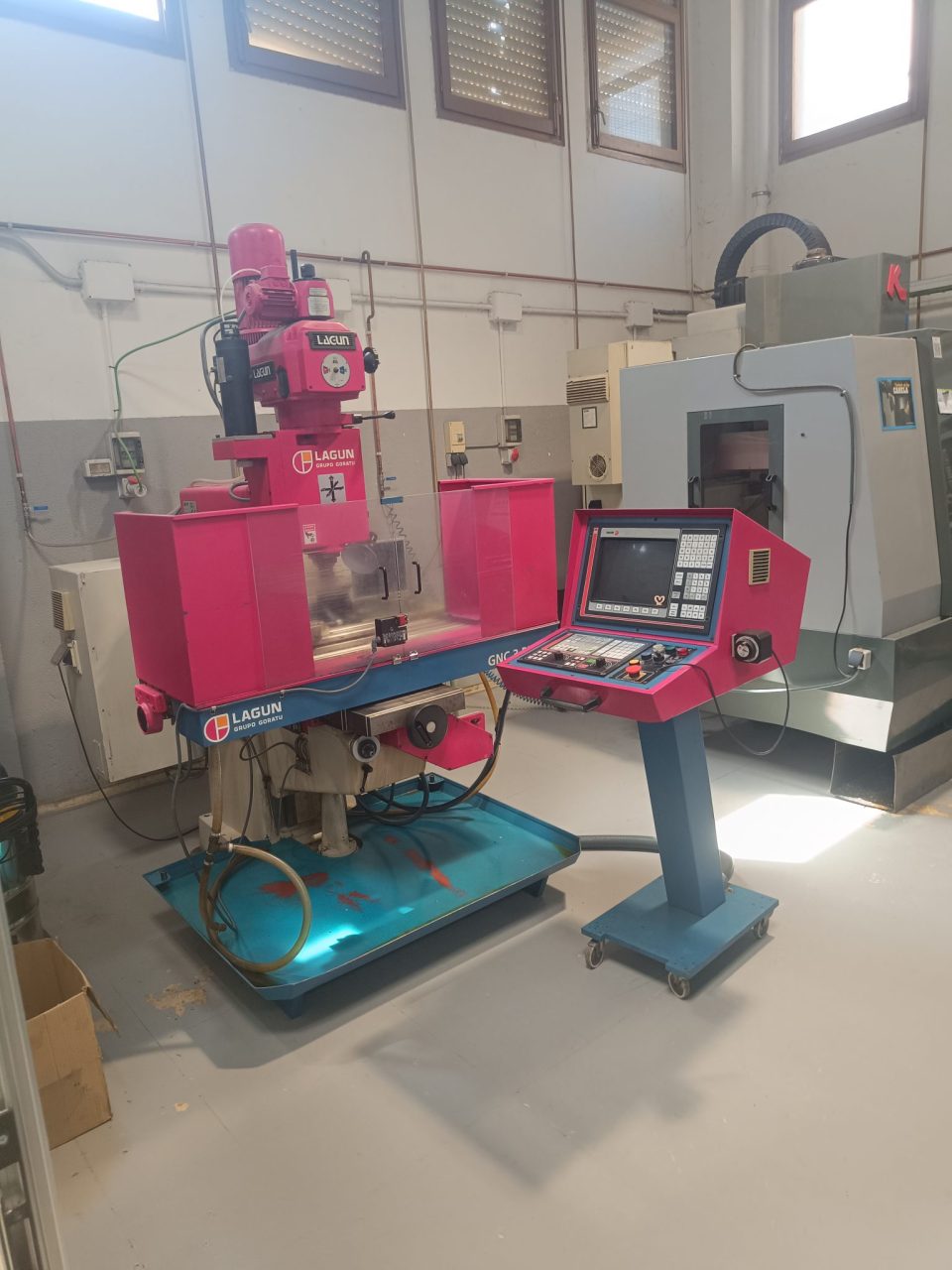
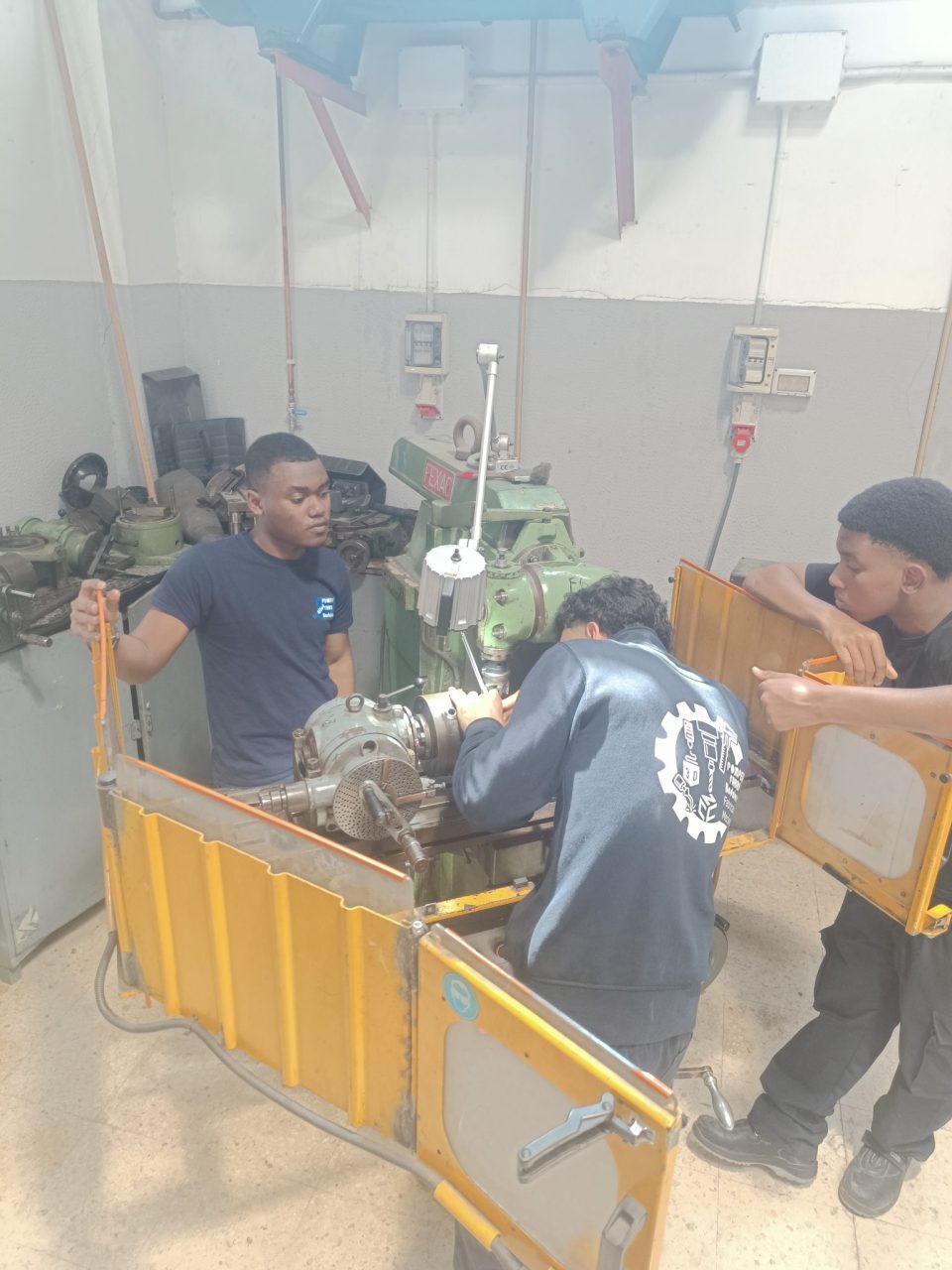
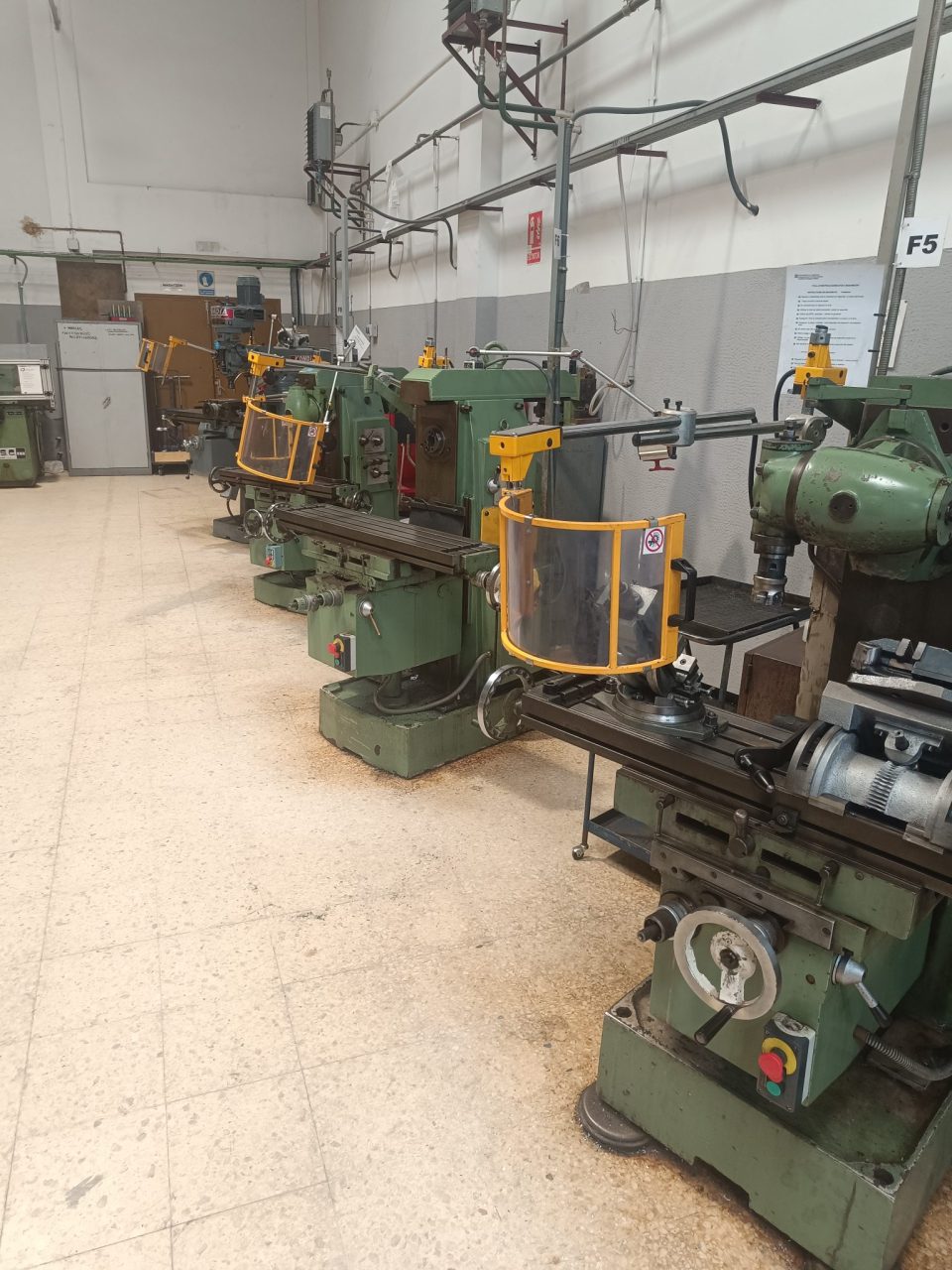
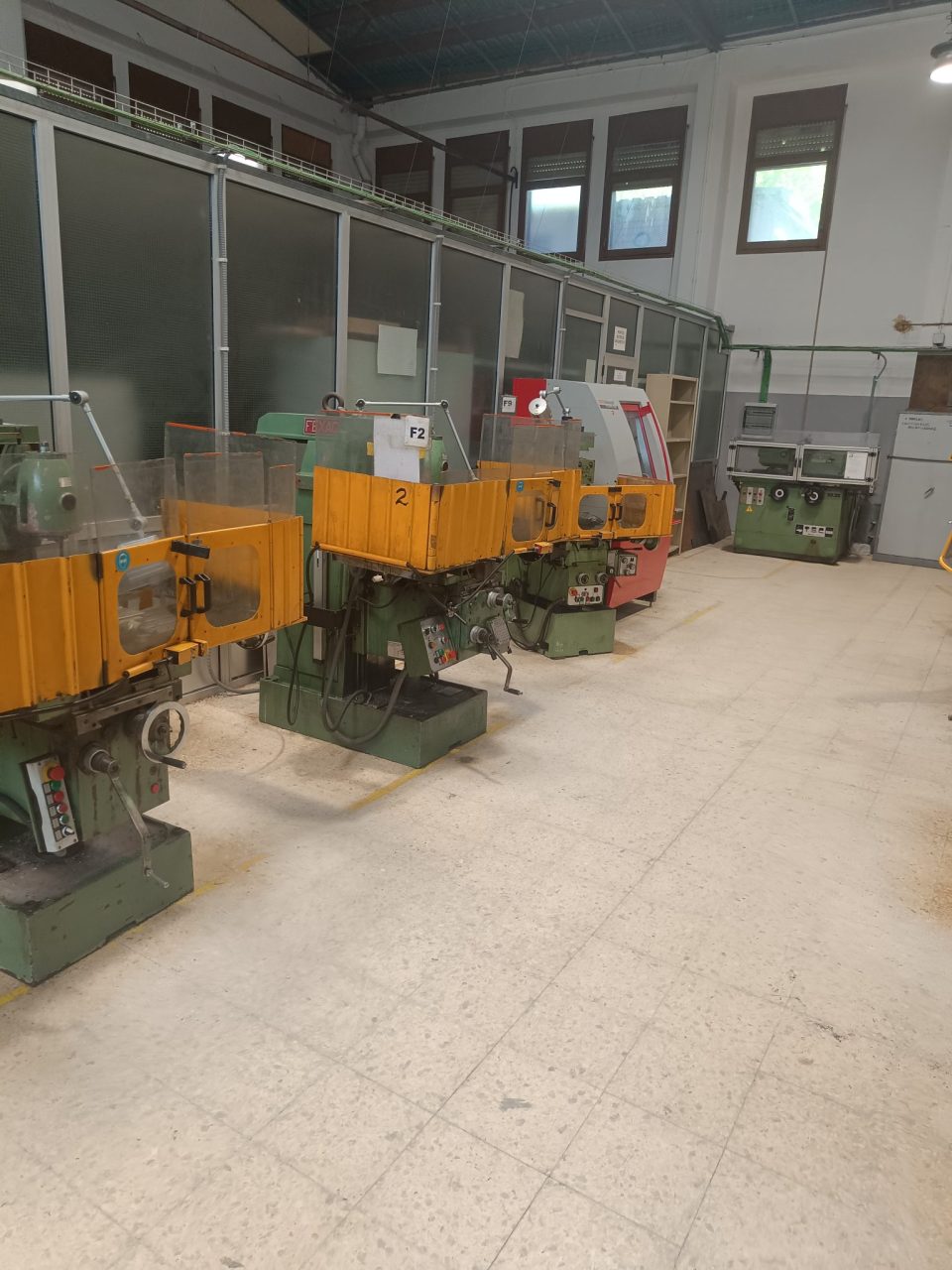
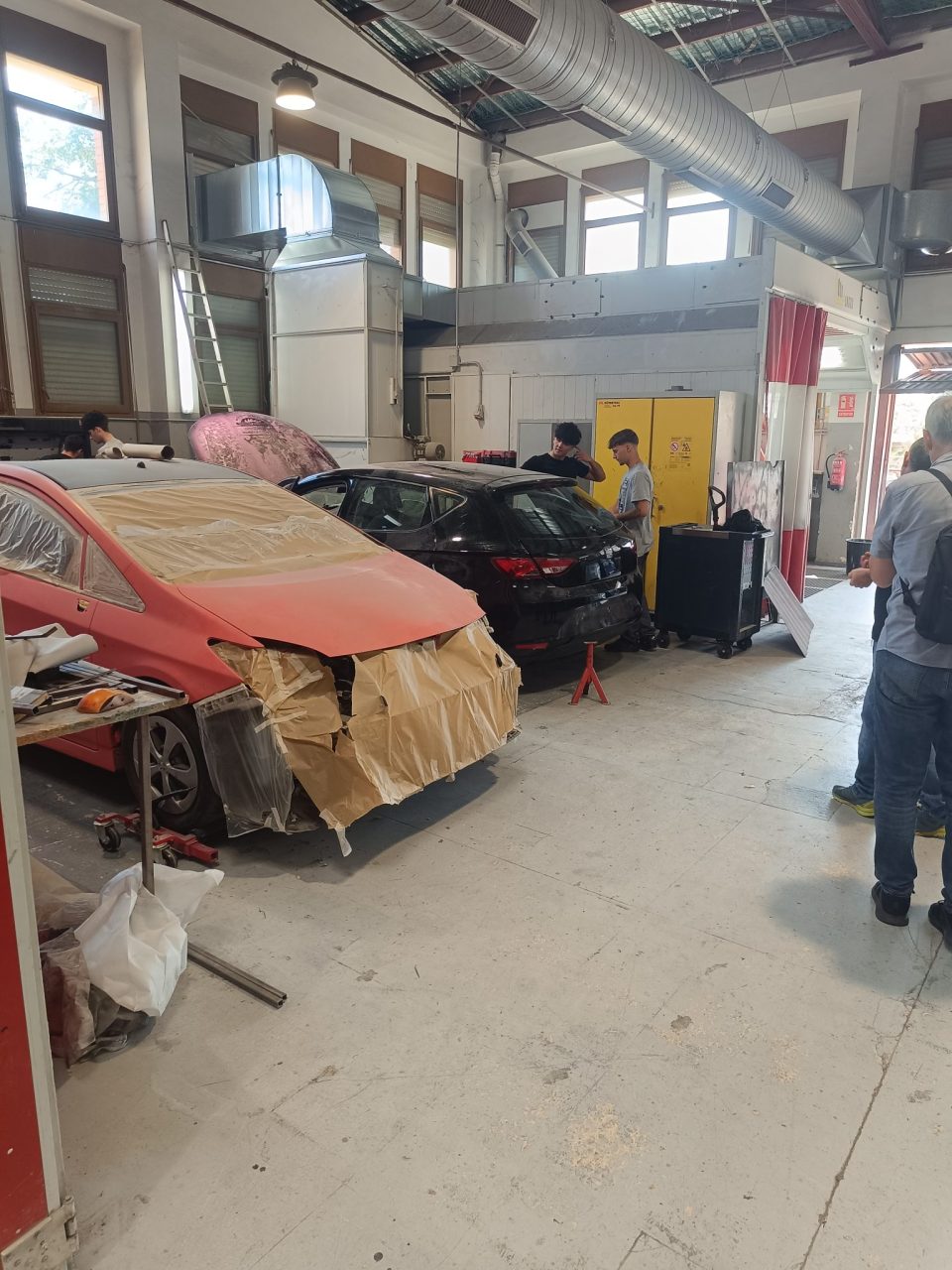
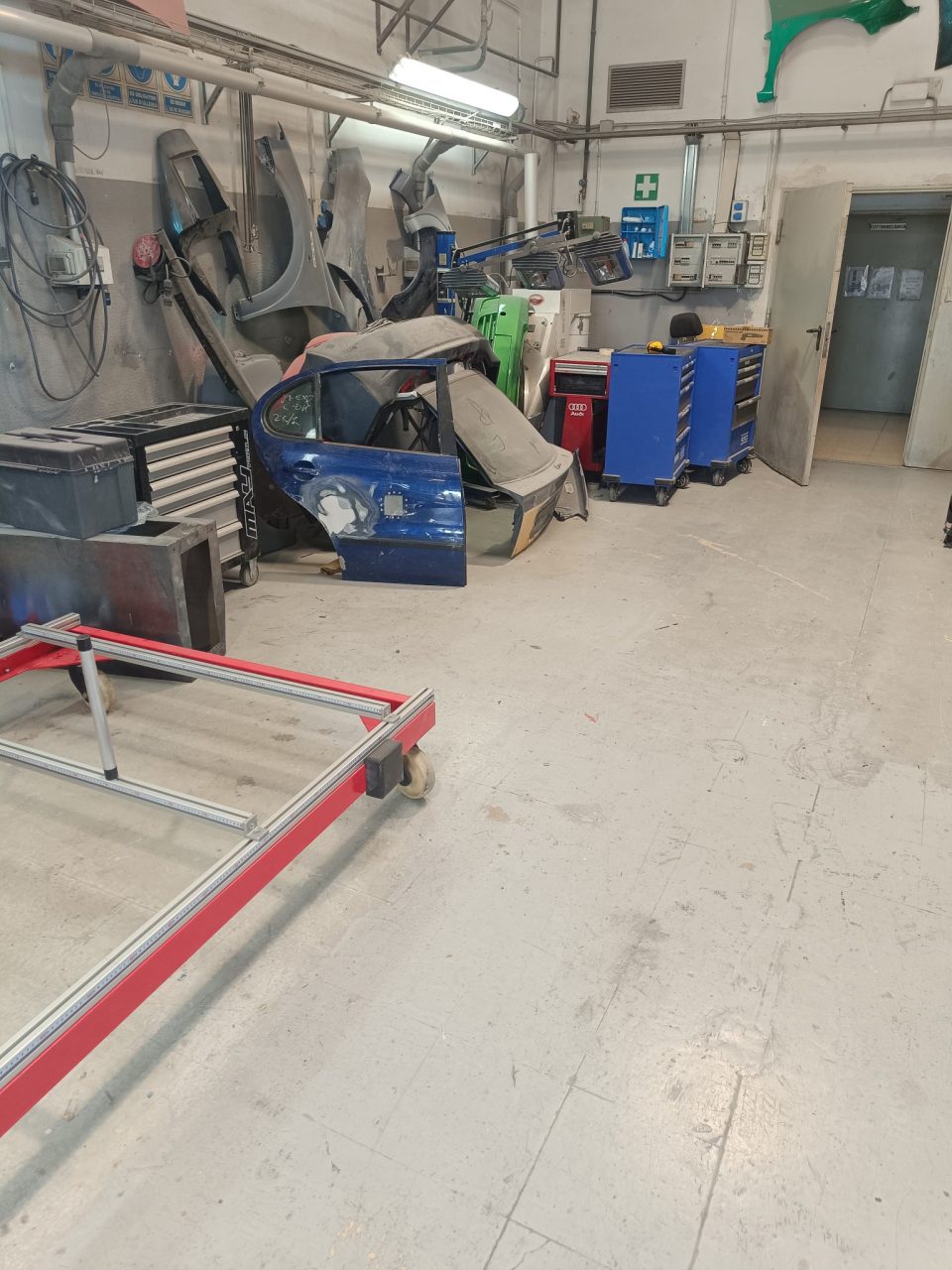
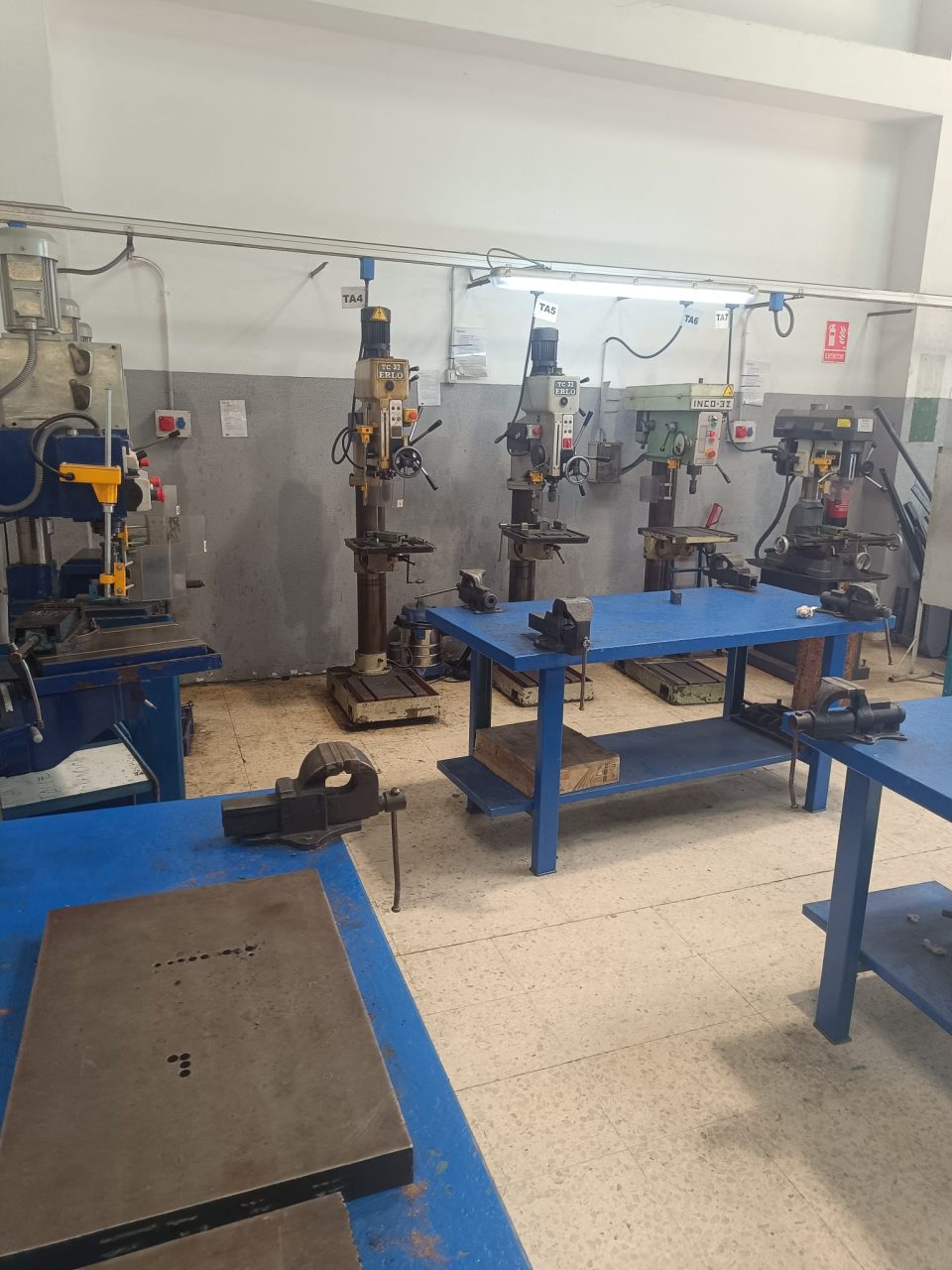
The school focuses mainly on technical and engineering fields. It has extensive machinery equipment such as lathes, milling machines, grinders, drills, CNC machines and other tools. The campus also includes a hall for learning how to repair internal combustion engine vehicles, a paint shop, a woodworking shop, a 3D printing workstation and a laser engraving and cutting machine. An interesting hands-on product in the woodworking shop was birdhouses, where students practice basic tool use, precision and use of scrap material. We were surprised by the outdated computer technology. Many of the computers were older and still used Windows 7, yet this was sufficient for teaching under local conditions. Similarly, the equipment for electrical measurements was rather basic but effective. In contrast, the 3D printing and laser workstation was modern and very popular with students and teachers.
Milling and CNC machines:
Students are divided into several groups:
for pupils continuing in an apprenticeship or diploma course,
students sent by their employer
and volunteer students who improve their qualifications in their spare time.
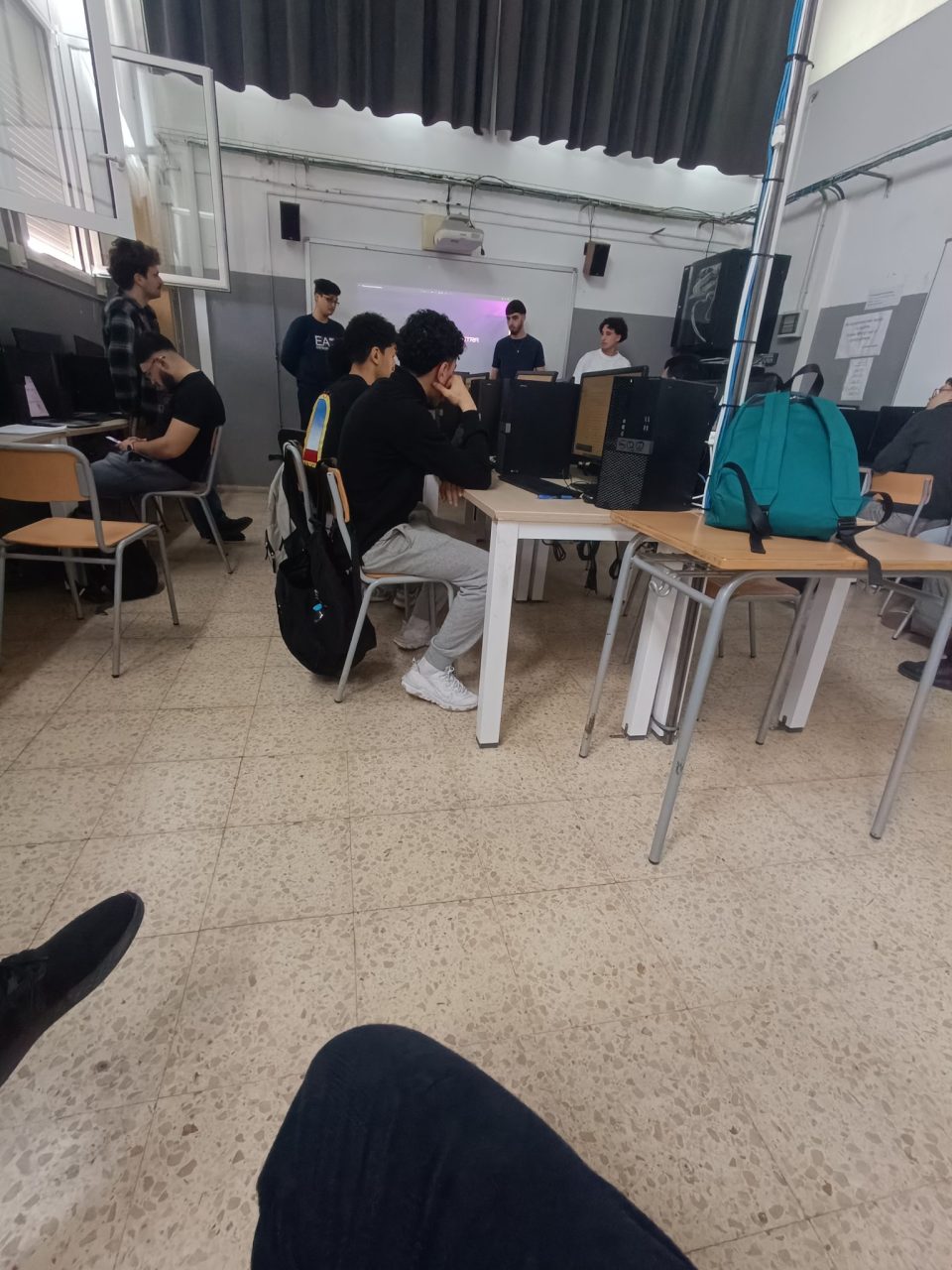
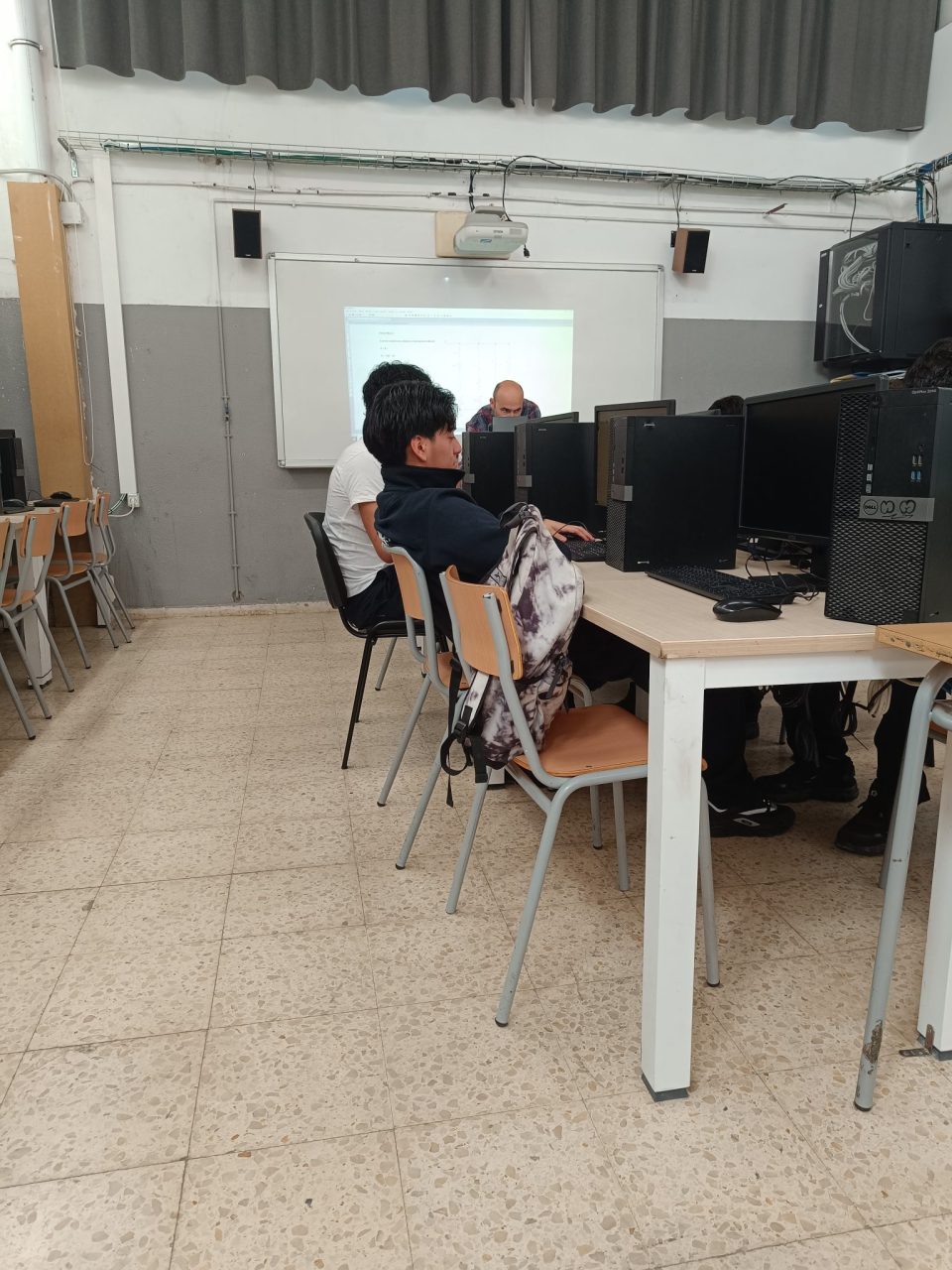
The school timetable corresponds to this. Classes start at 8:15 and may end at 9:15. What was surprising to us was that they actually taught in the evening. The teaching system is also interesting. The teacher often has an assistant in the classroom who supports the students in their work and helps with the organisation of the lessons. The teachers' approach to the students is more informal than in our country, but the teachers can immediately assert authority when needed. In the workshops, workplace safety is consistently maintained. On the other hand, the use of mobile phones for purposes other than teaching is widespread, similar to ours.
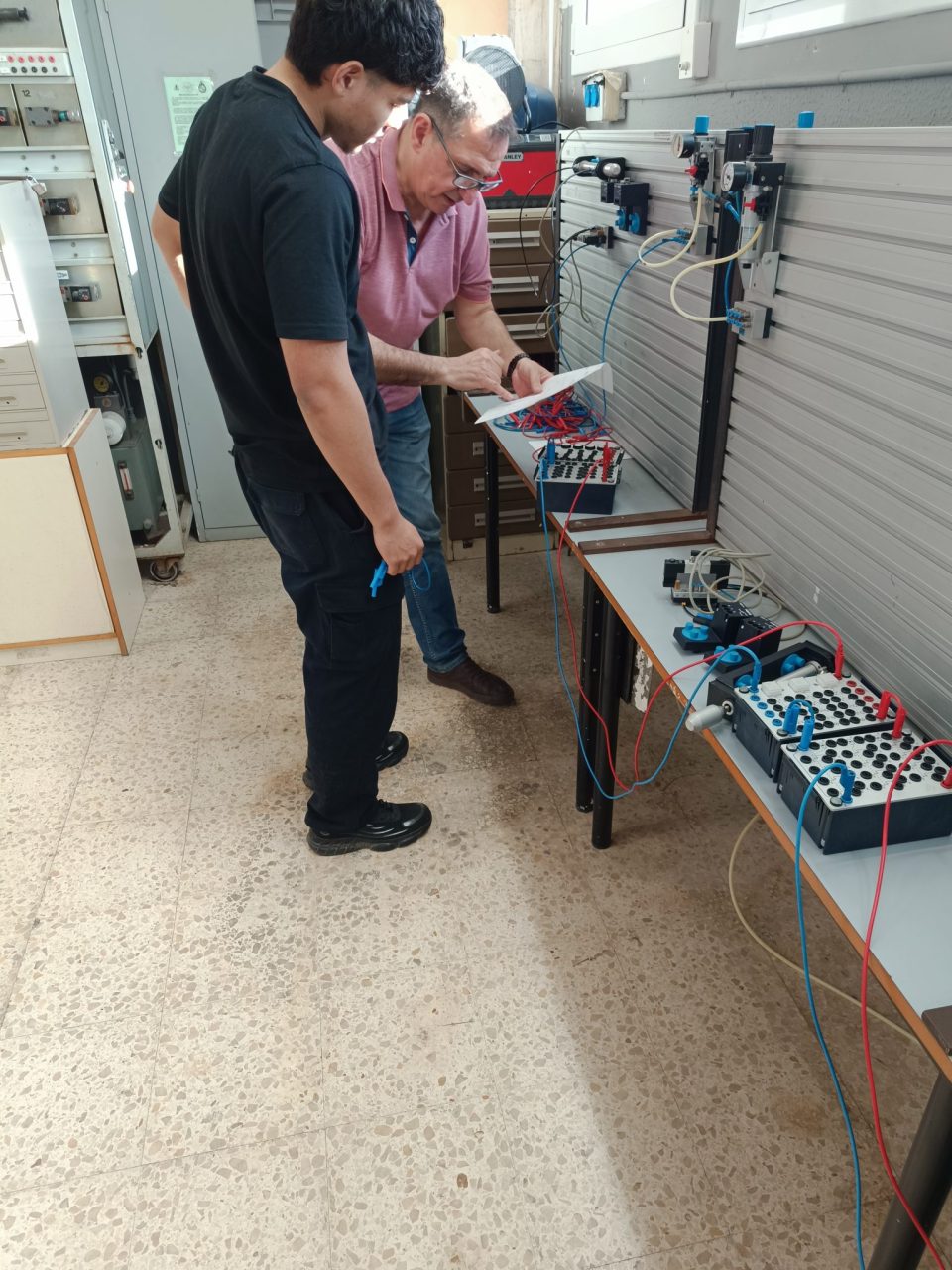
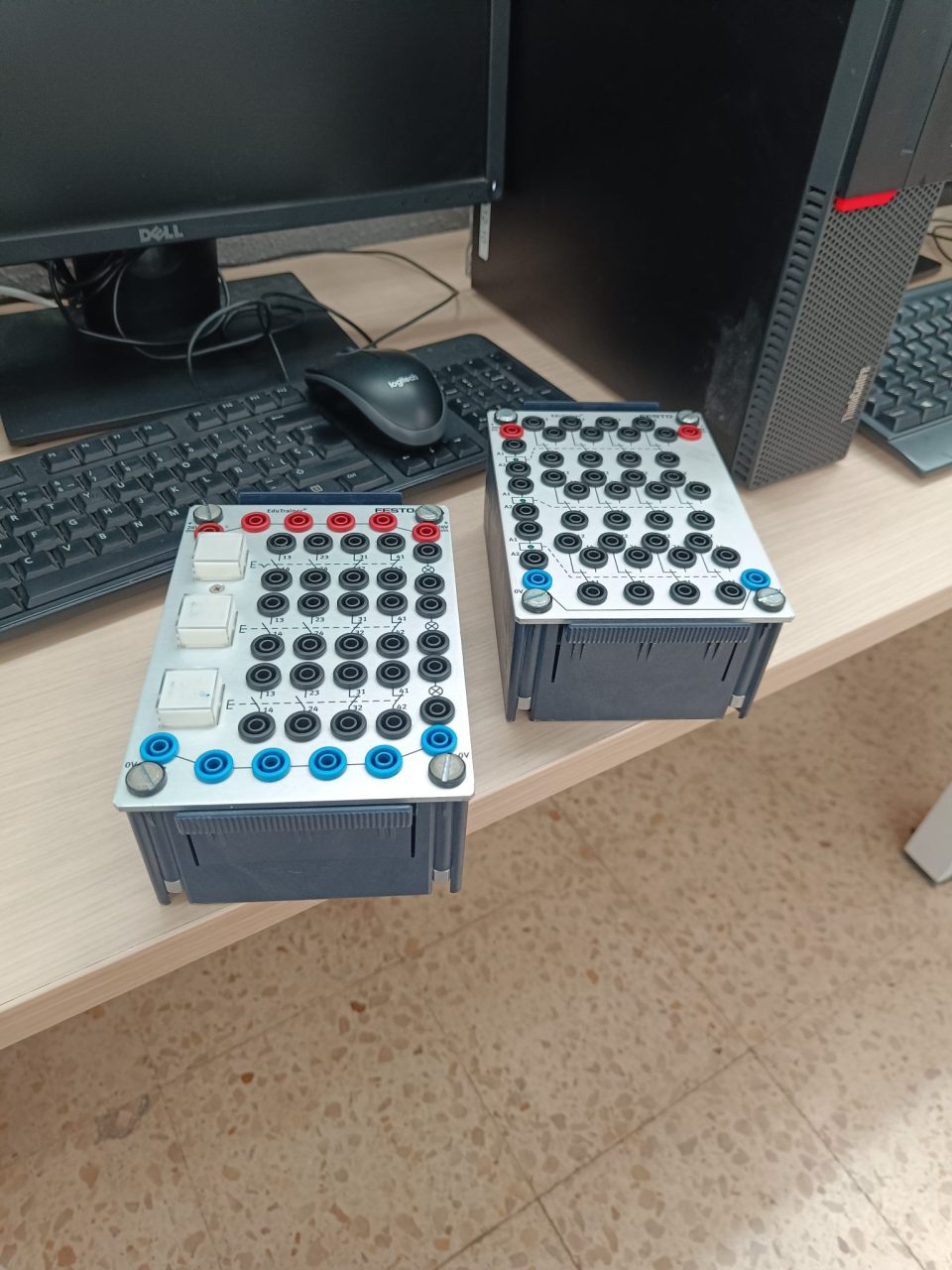
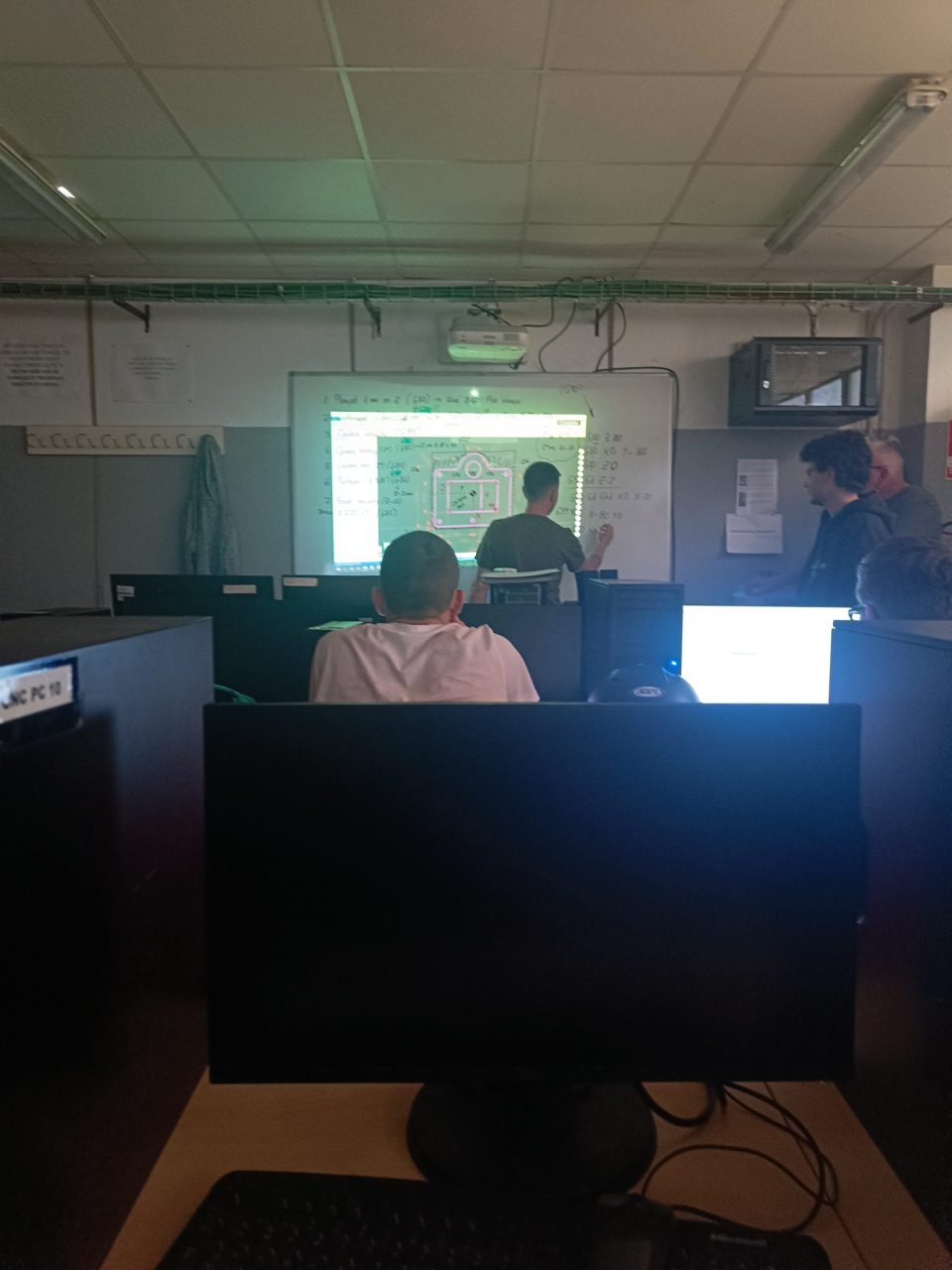
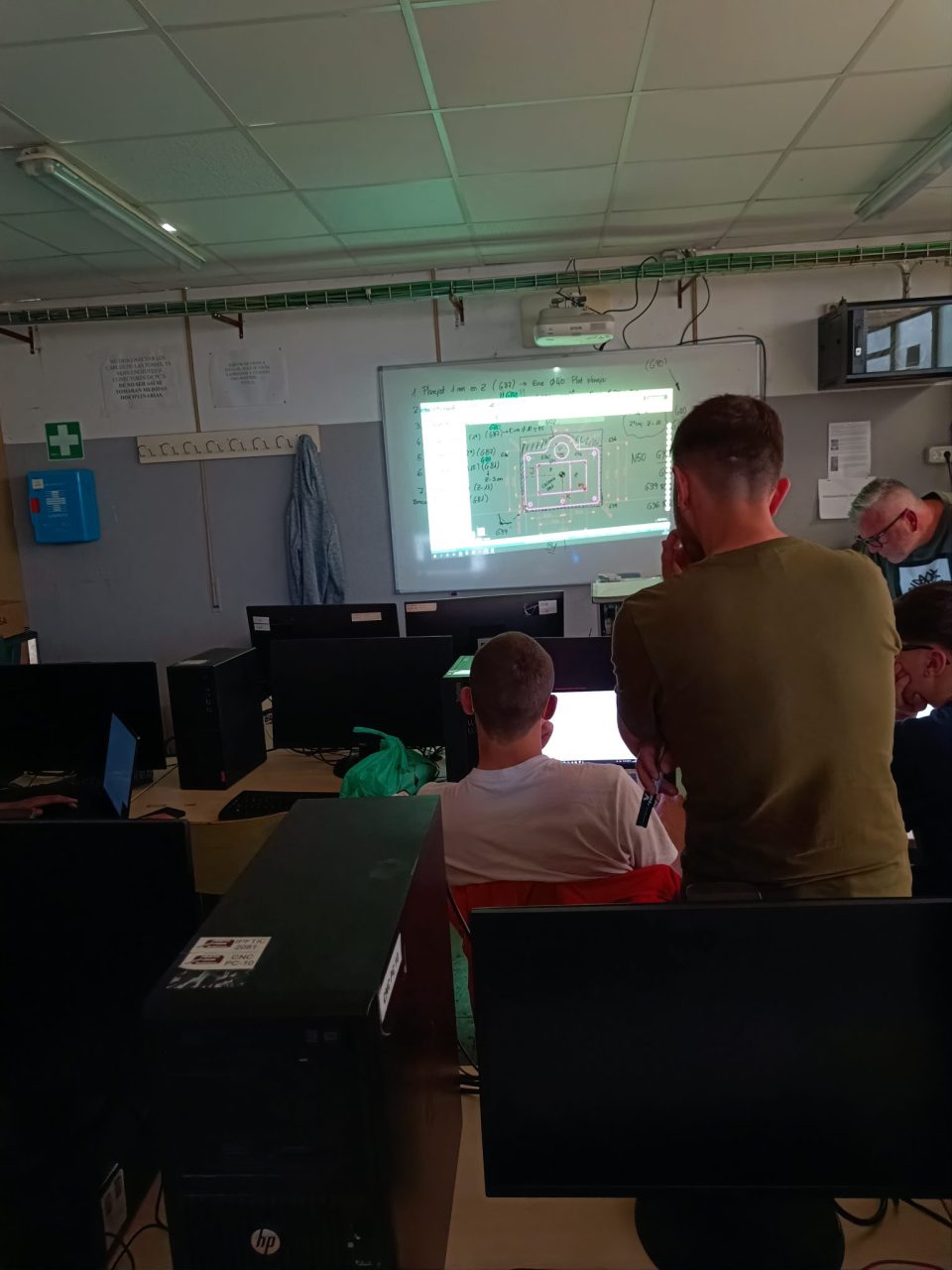
During the shadowing we participated in several classes. For example, we watched the teaching of pneumatic systems with Festo, programming CNC machines and working with internal combustion engines. Although some of the teaching was in Spanish, it was easy to understand thanks to the visual aids. In the lessons observed, frontal teaching was predominant, supplemented by practical examples and demonstrations.
CNC programming, pneumatics + hydraulics:
The programme also included excursions to two companies. The company Microfusion Catalana is engaged in the production of small components by casting into ceramic moulds. We saw the whole process, including the casting of molten metal, which was a very powerful experience. The second company, EINES Canela, produces precision parts such as sockets and fixtures for CNC machines. Both companies work with the school and have students and teachers from the institute working or have worked there in the past.
In conclusion, we can say that we did not take away anything fundamentally new from a professional point of view, but it was very beneficial to learn how technical education works in a different environment. It was particularly interesting to compare the organisation of teaching, the work of teachers, the role of assistants and the overall approach to students



 English
  Czech
Czech