Final-year projects 2025/2026: students presented their projects to company representatives
In the 2025/2026 academic year, the Secondary Technical School of Mechanical and Electrical Engineering in České Budějovice hosted the fifth edition of the final-year projects by second- and third-year students. A total of 201 students took part in the year-end projects this year – 103 second-year students and 98 third-year students.
Share:
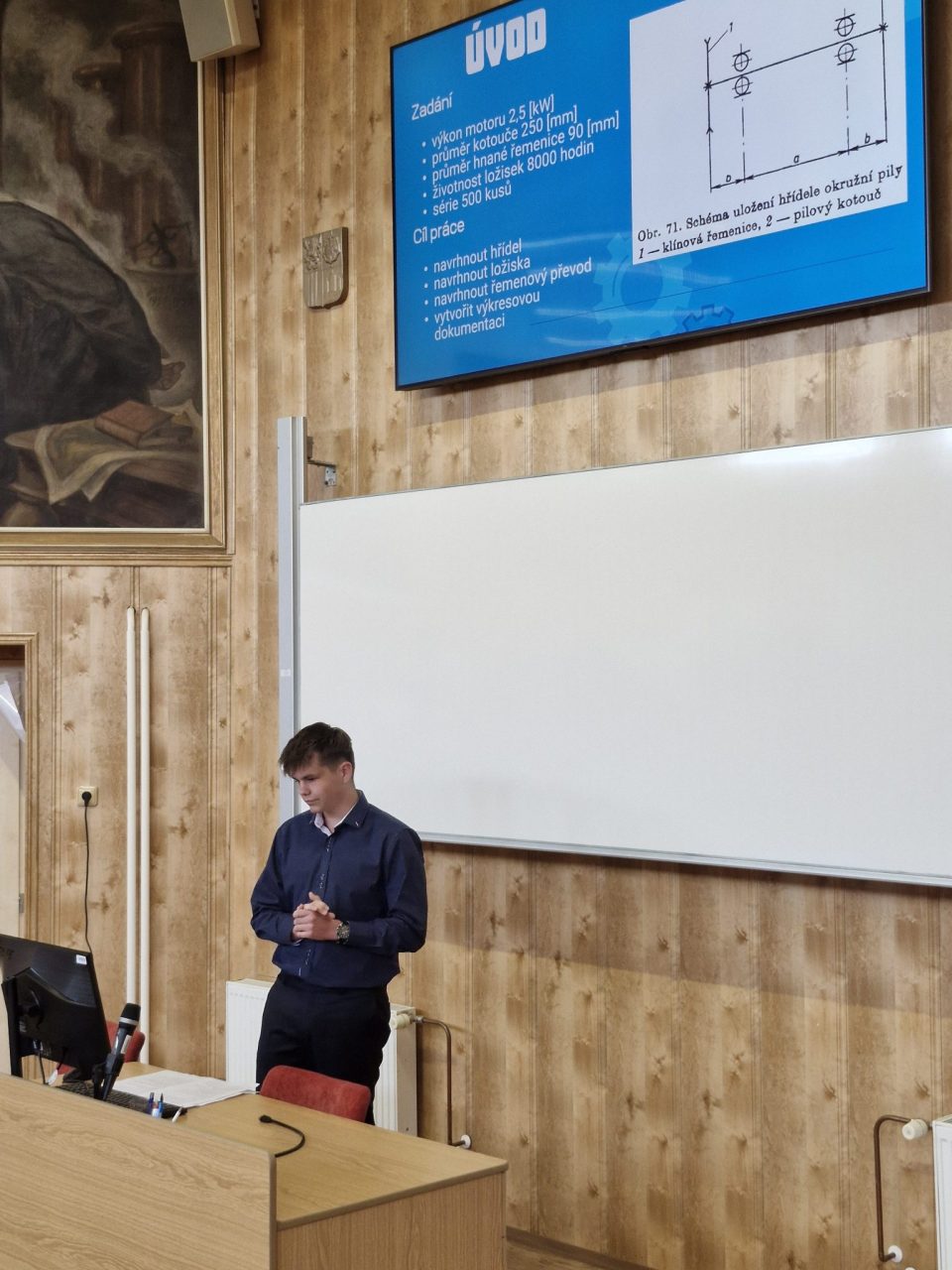
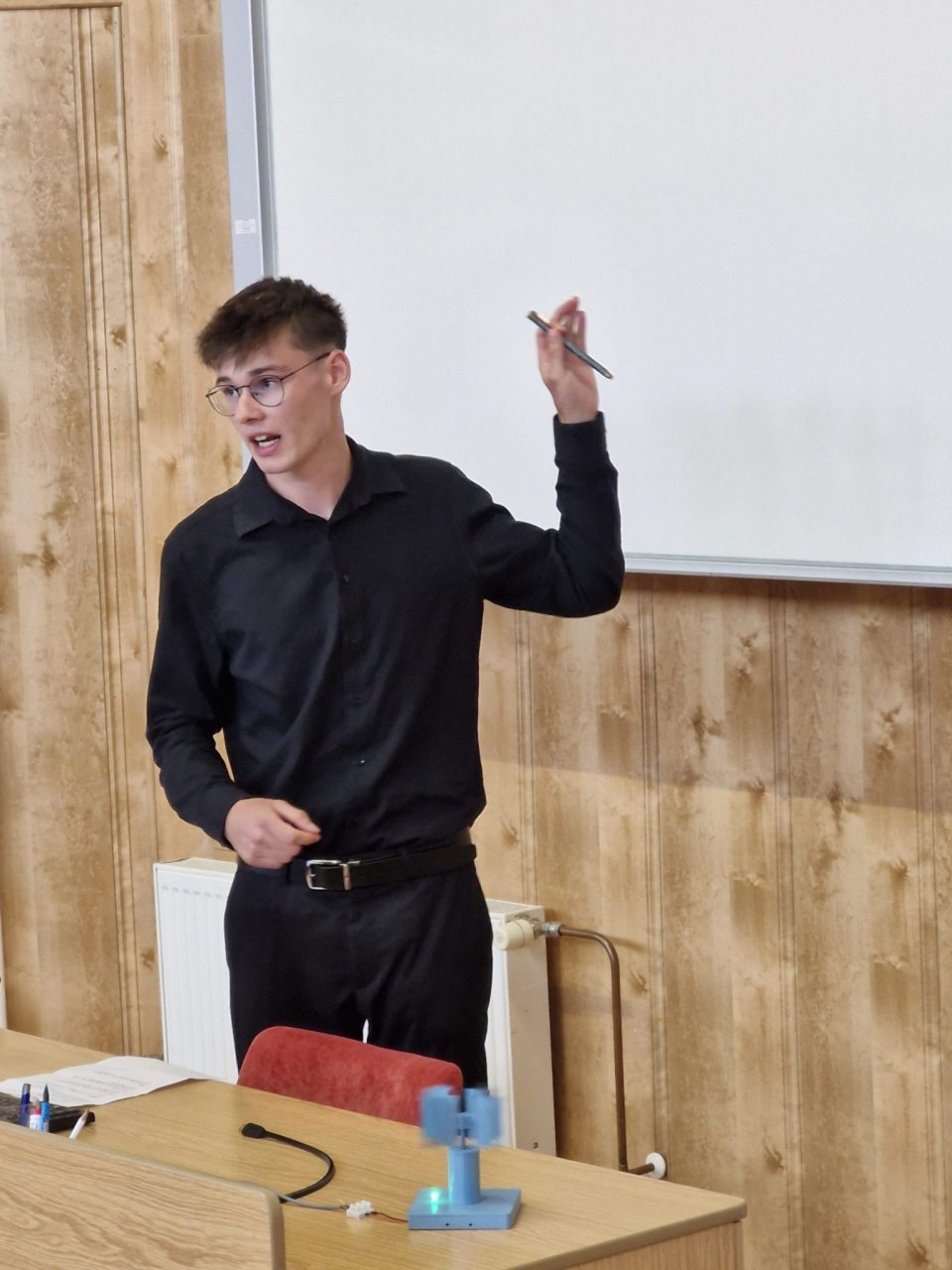
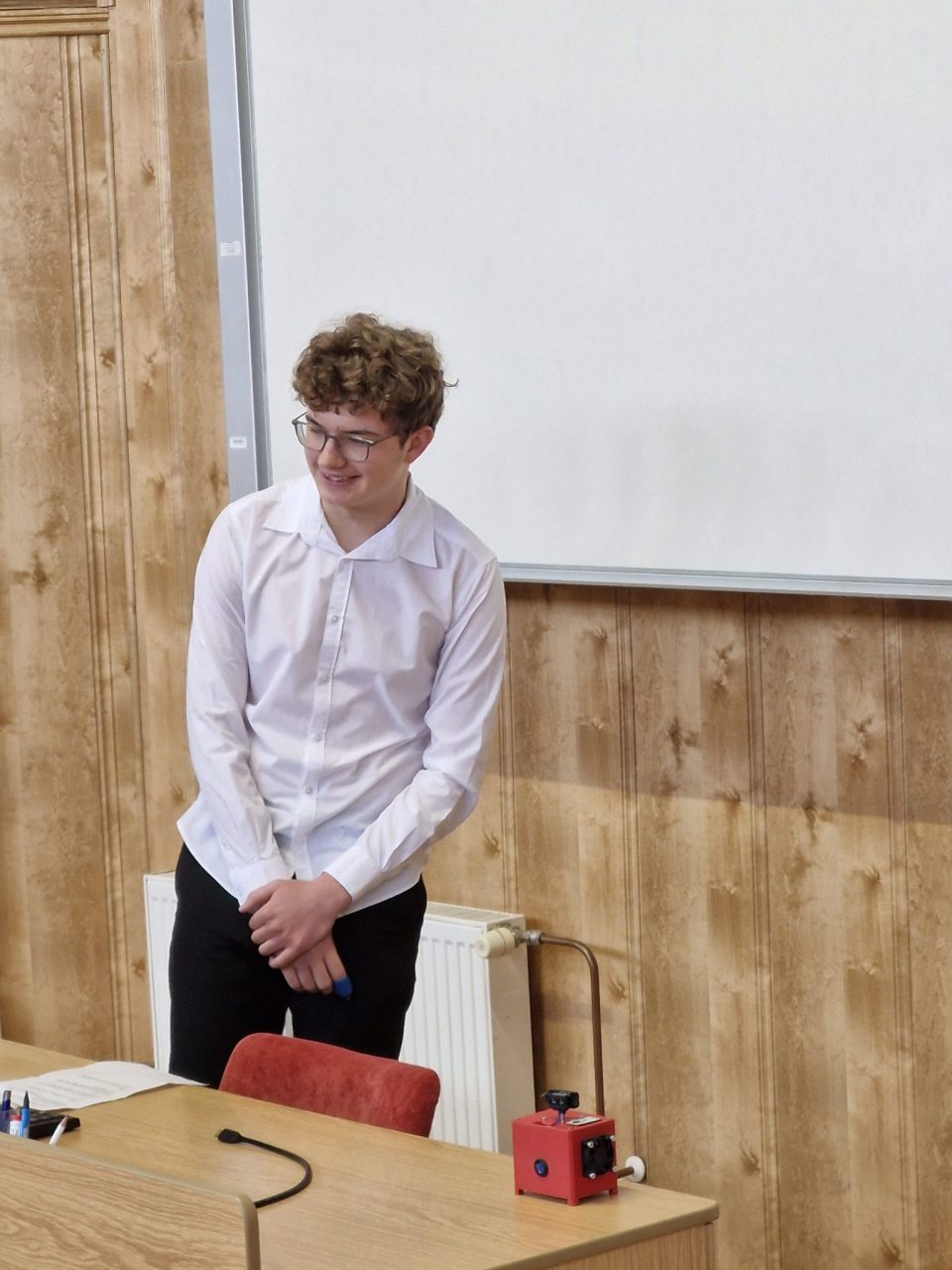
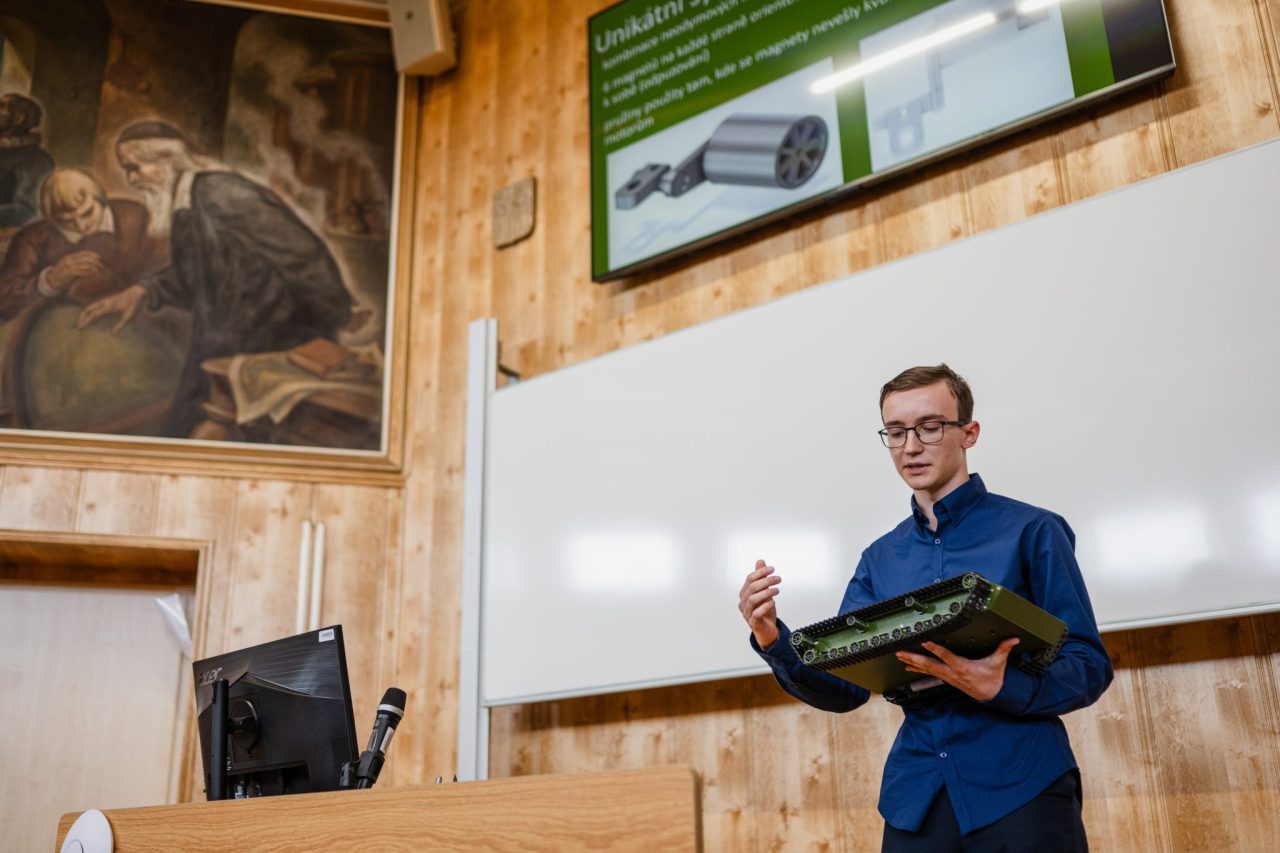
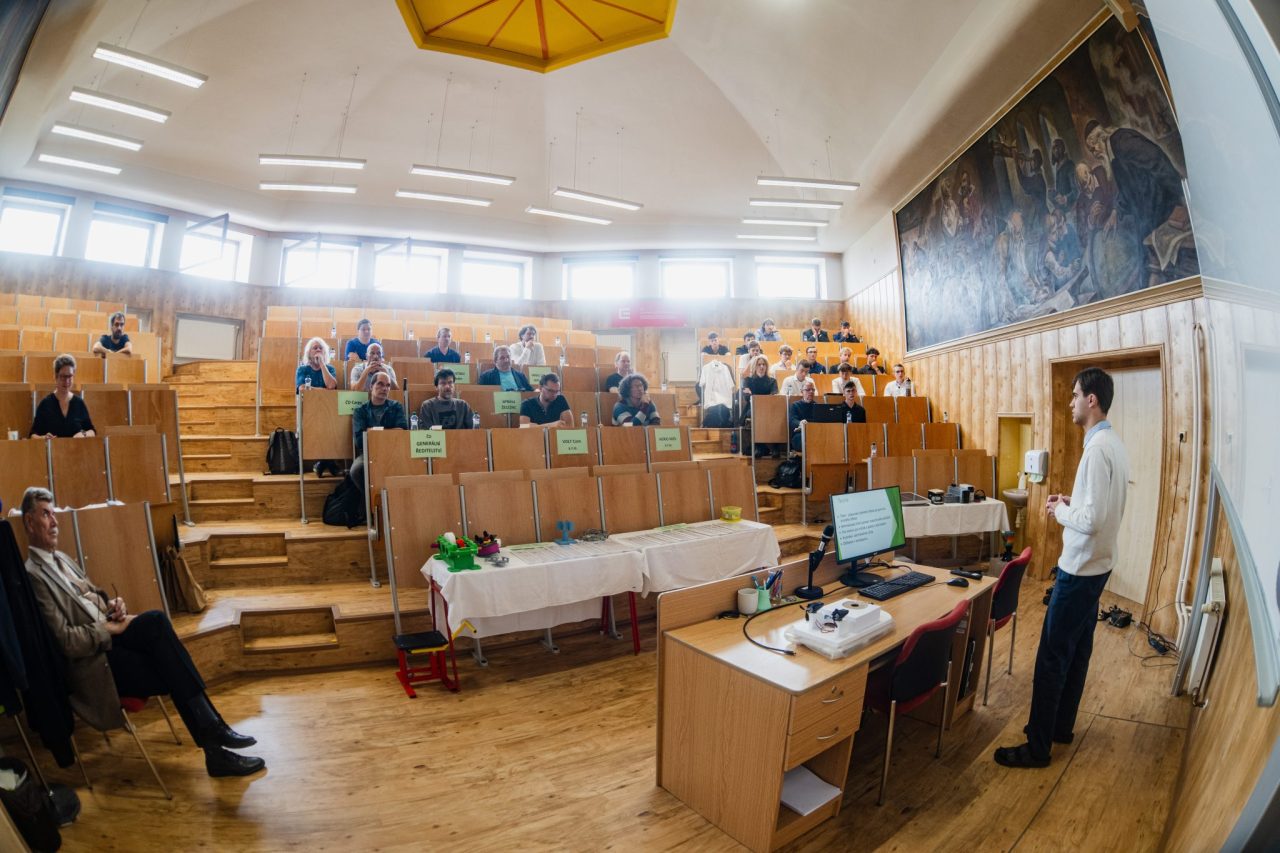
Final-year projects are an important part of students’ professional training. They not only encourage students to work independently on a chosen technical topic, but also to adhere to the formal requirements of a technical text, to work with sources, to prepare a presentation, and to defend their project in front of an audience.
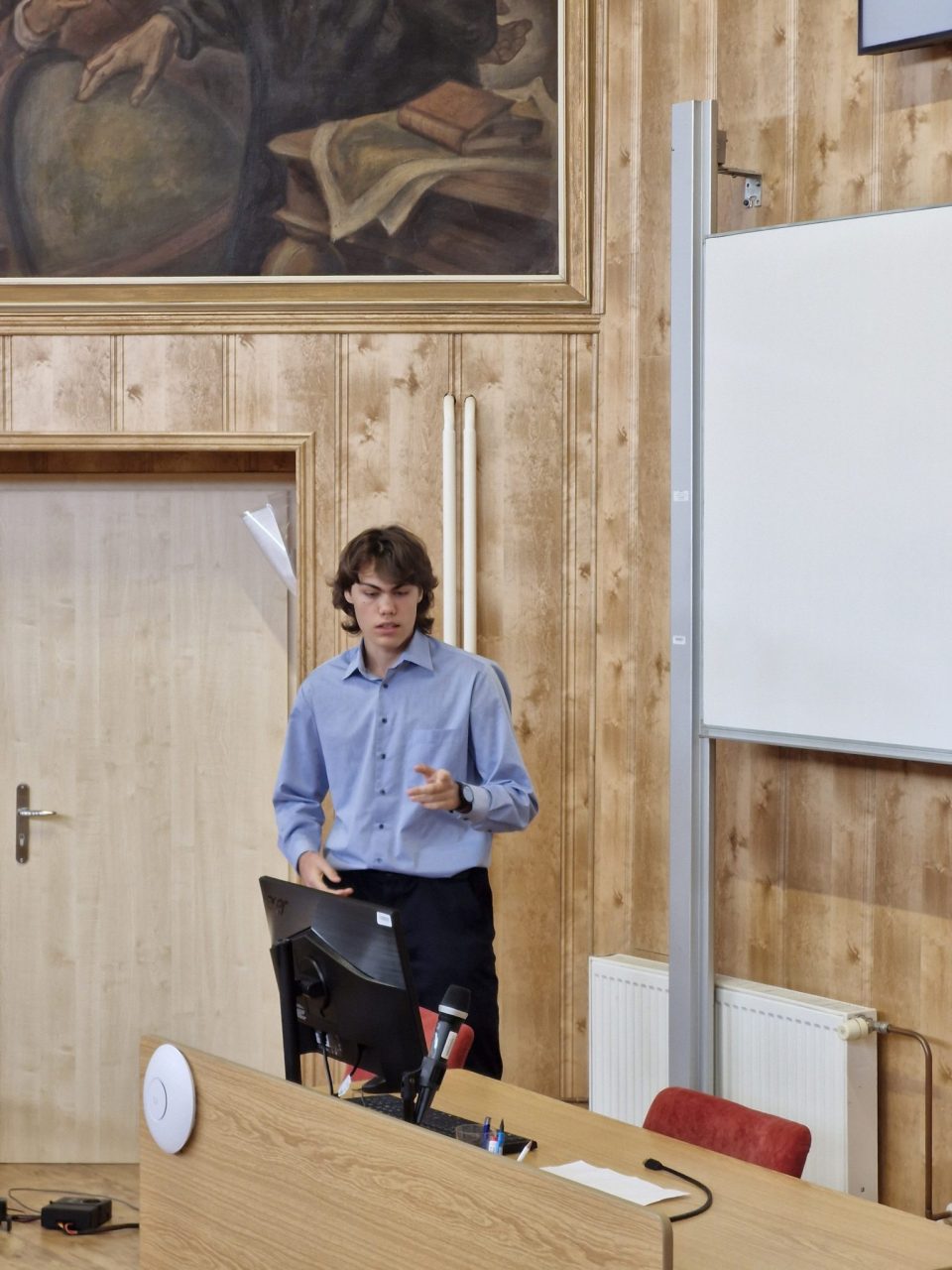
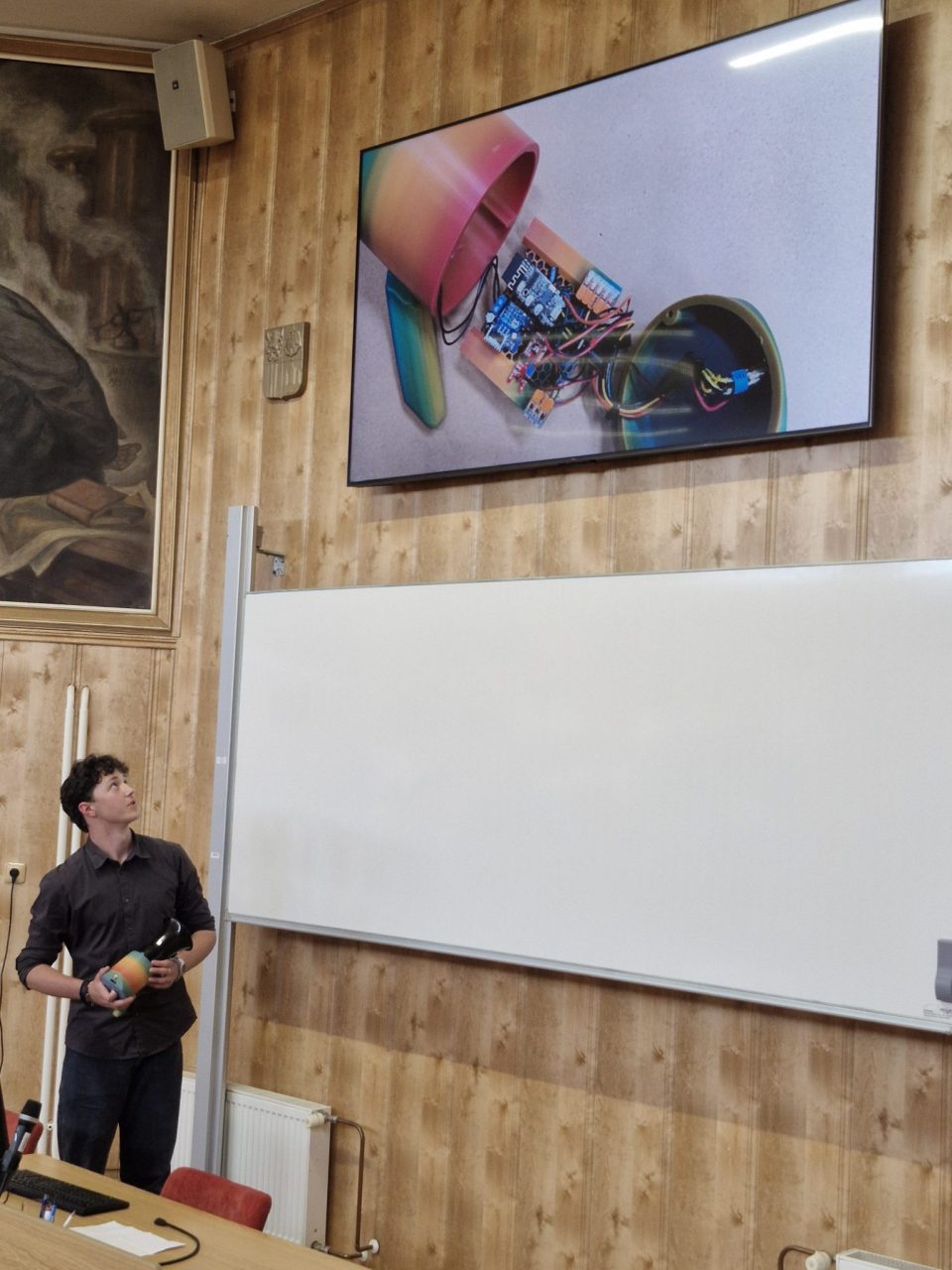
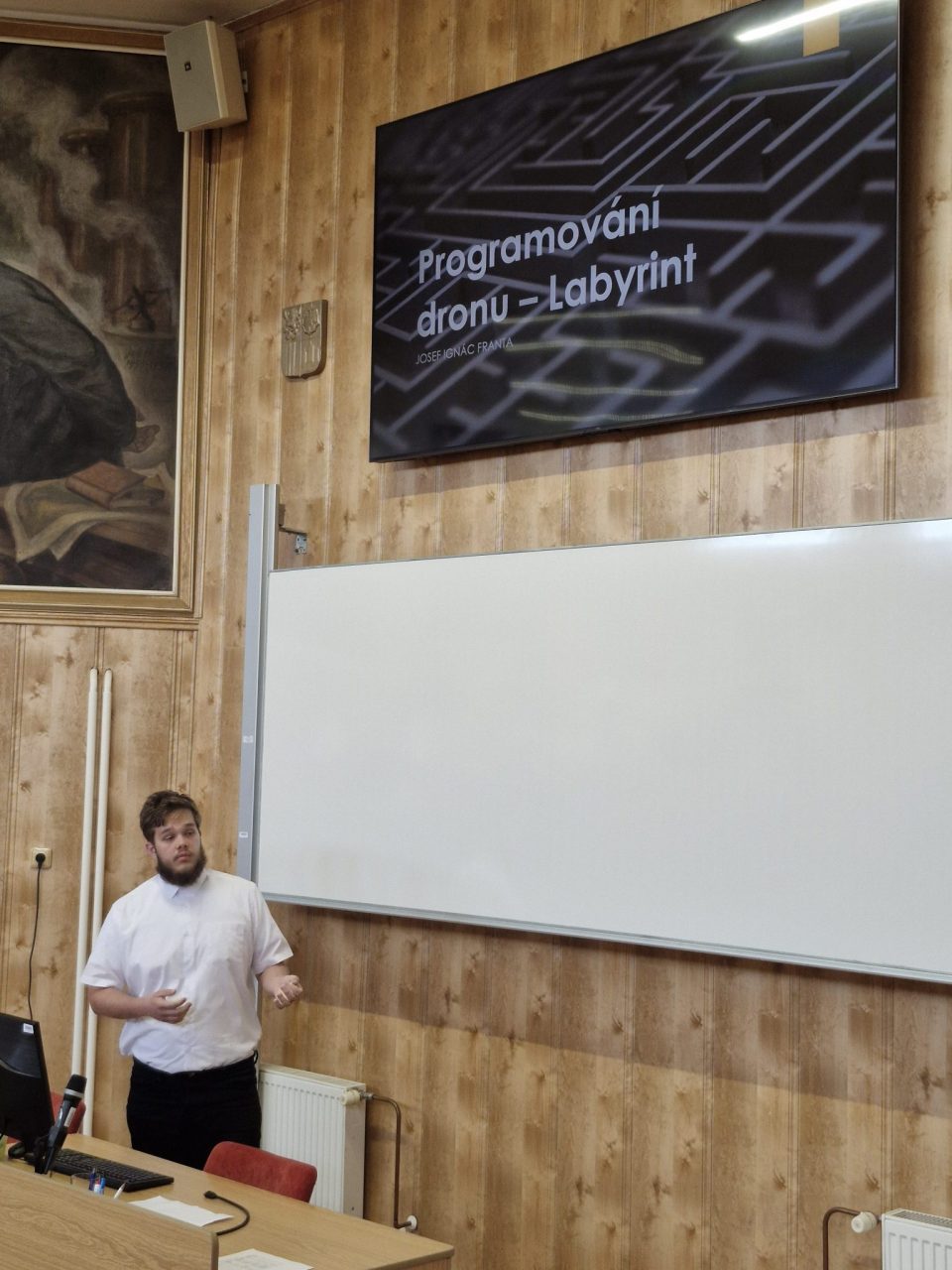
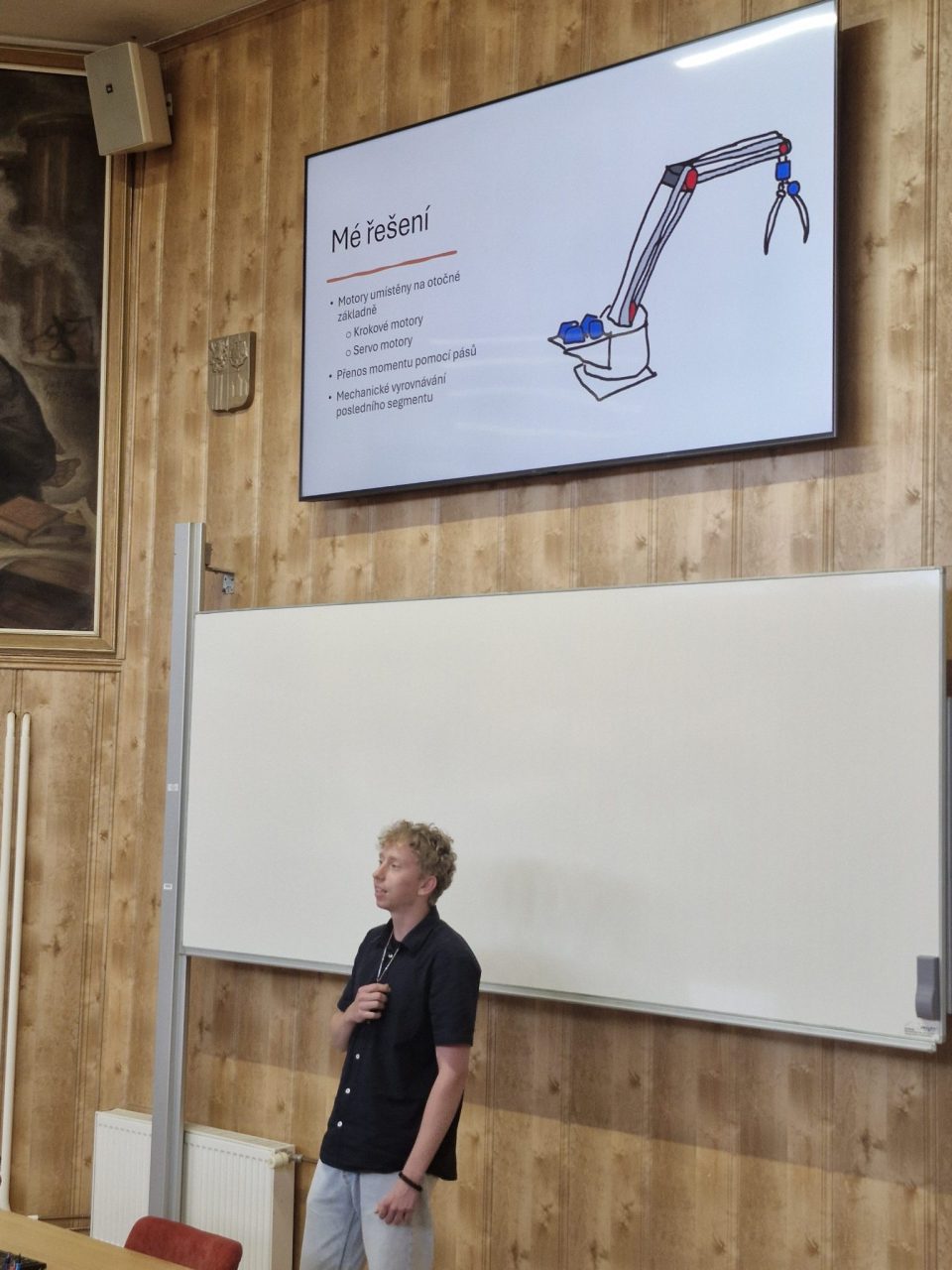
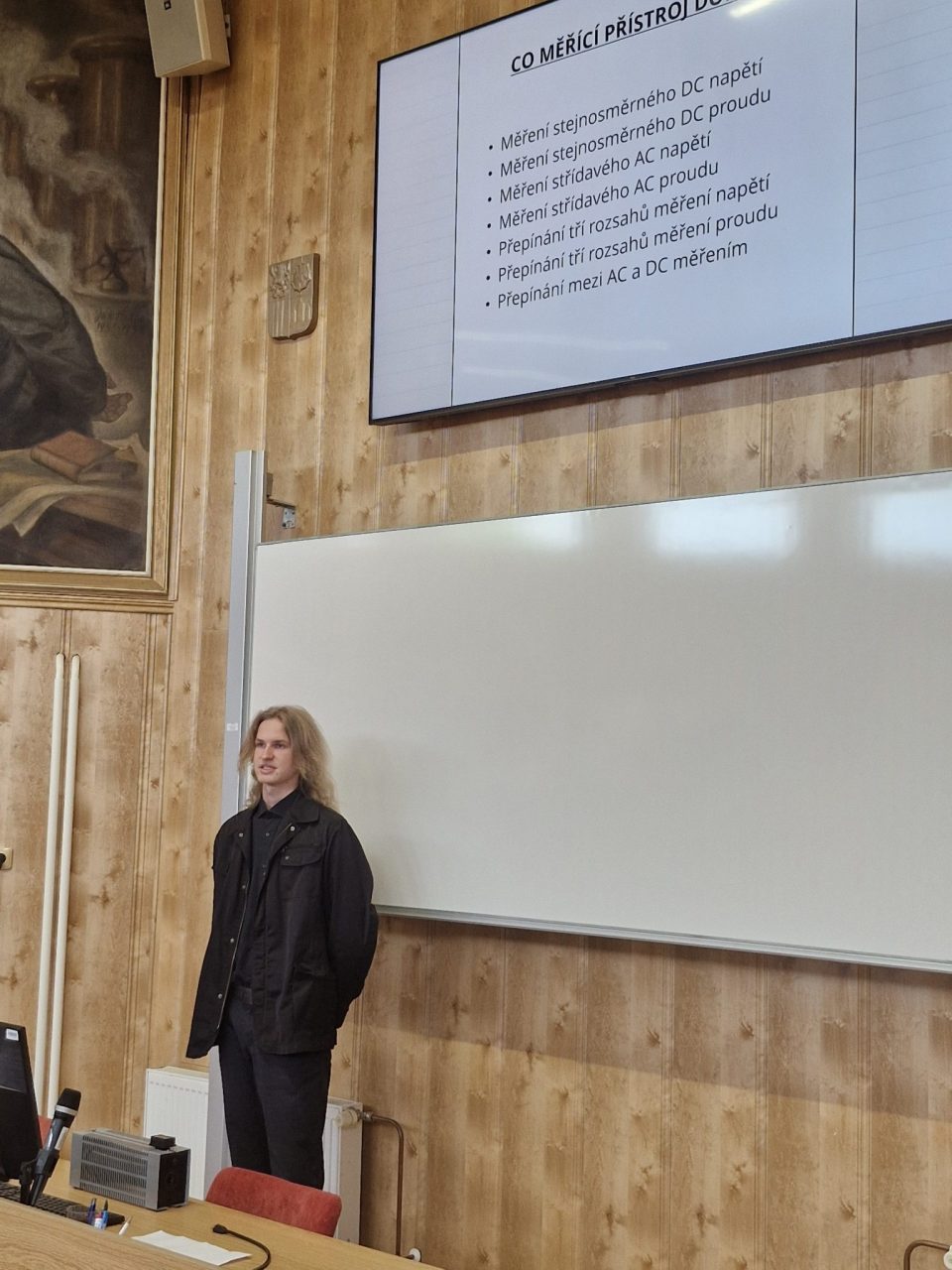
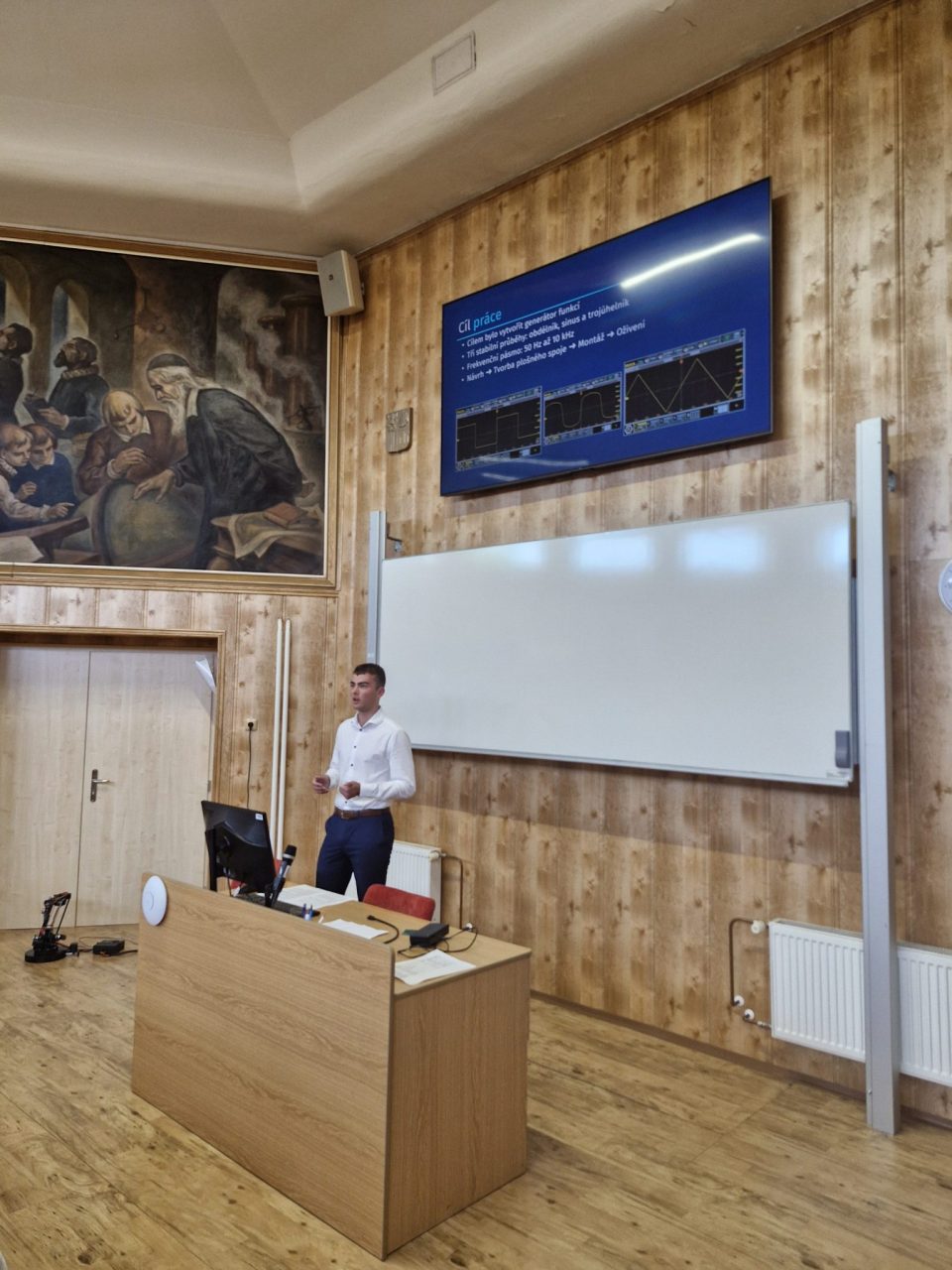
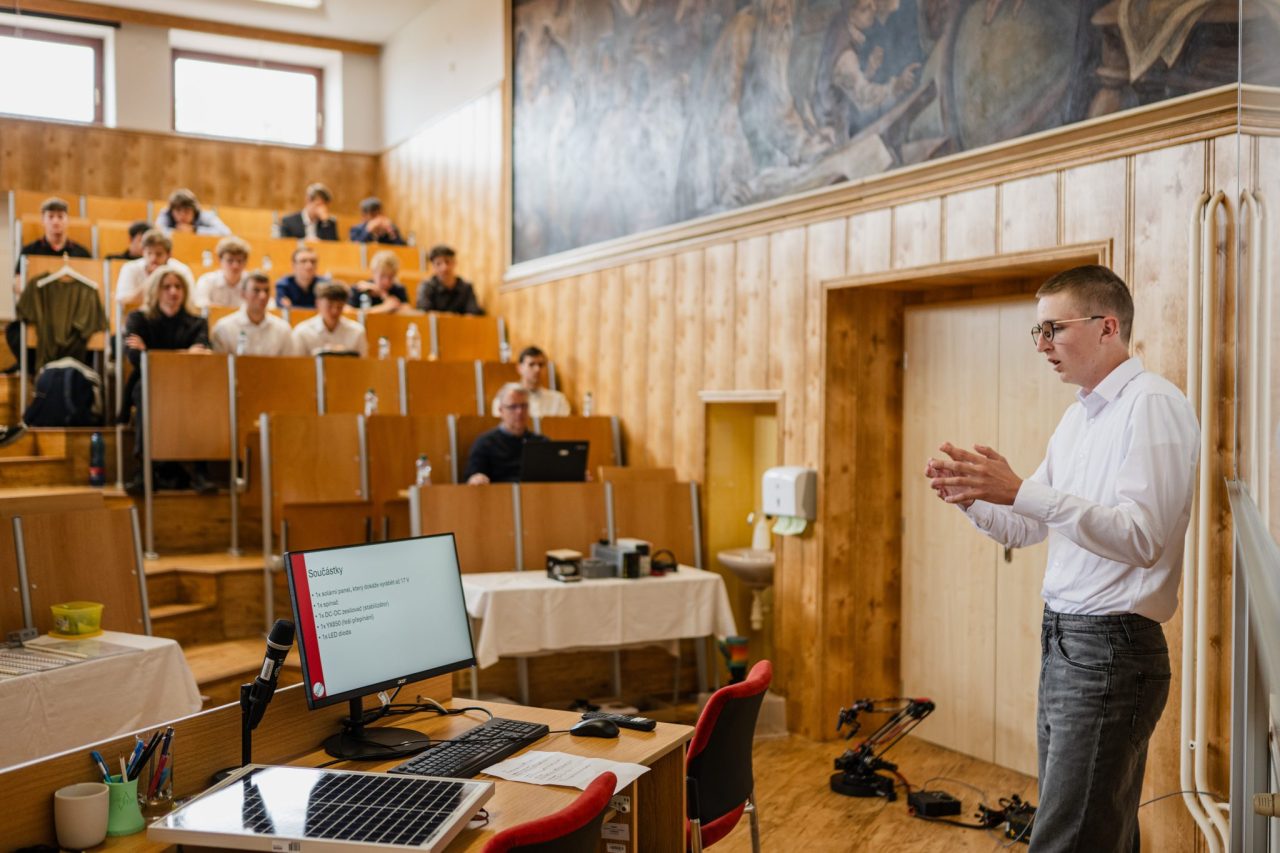
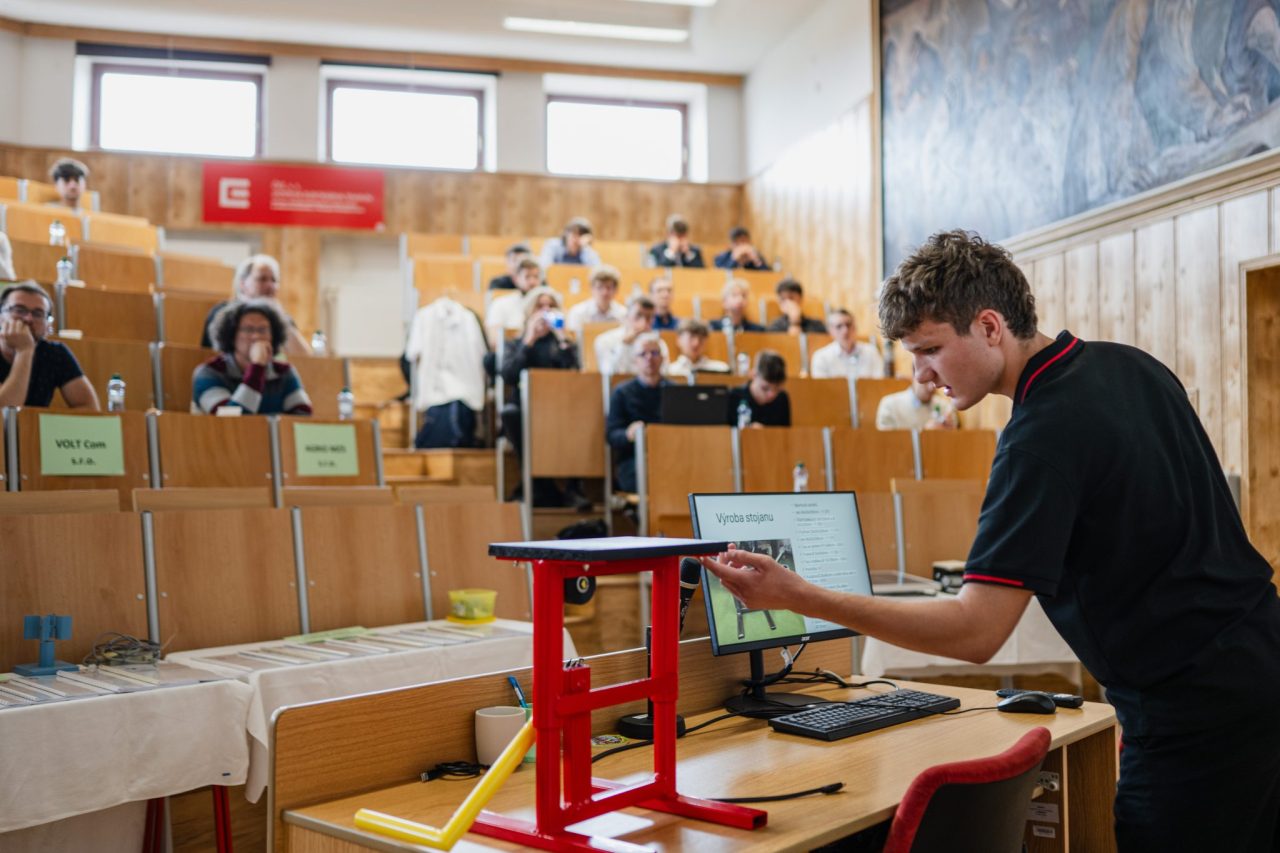
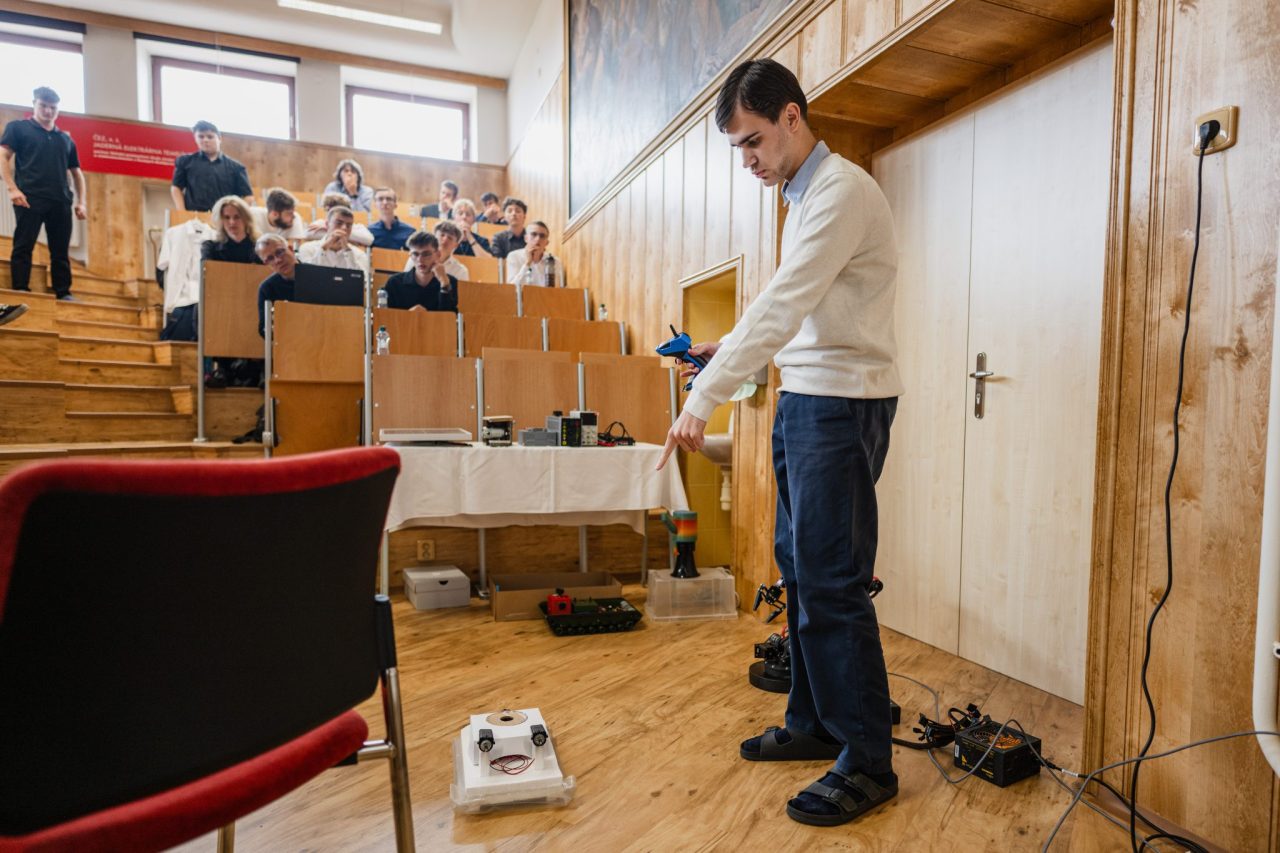
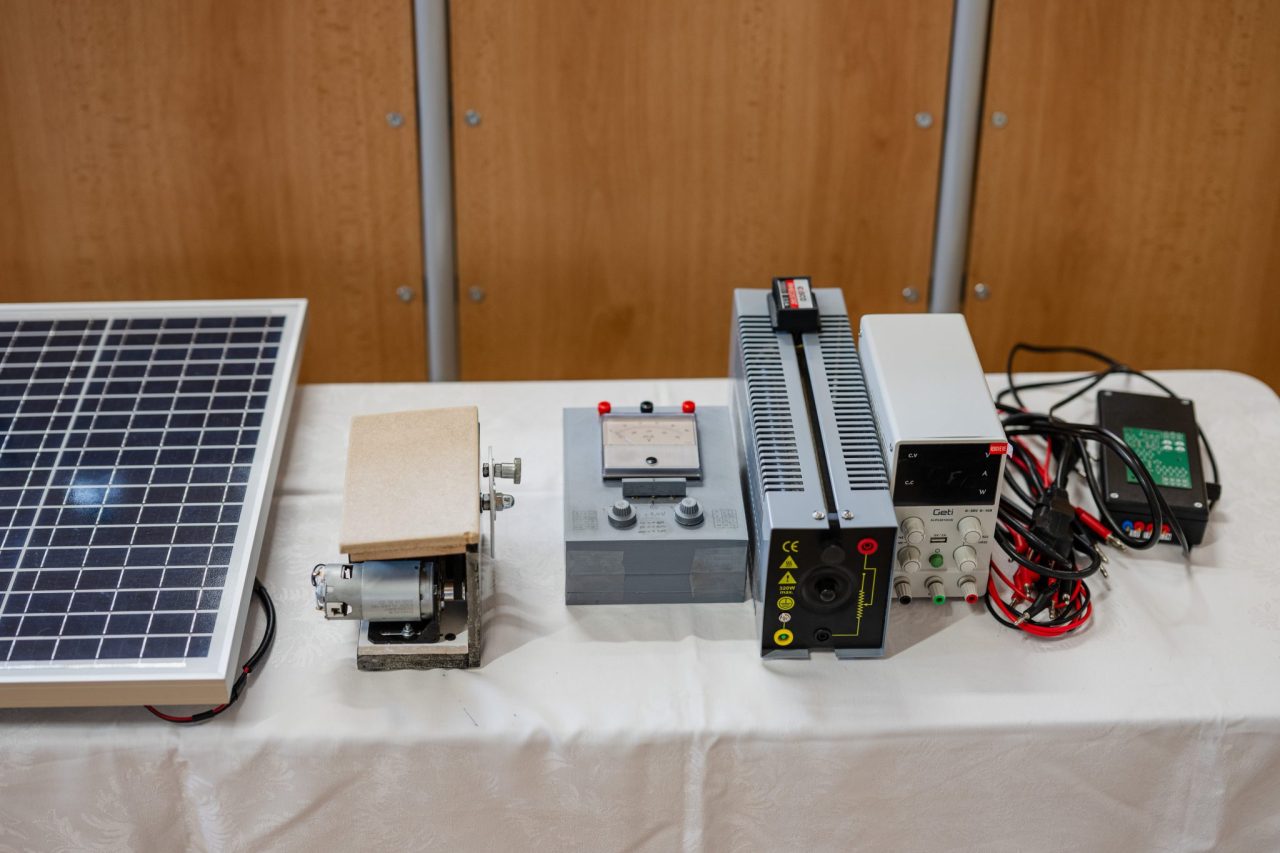
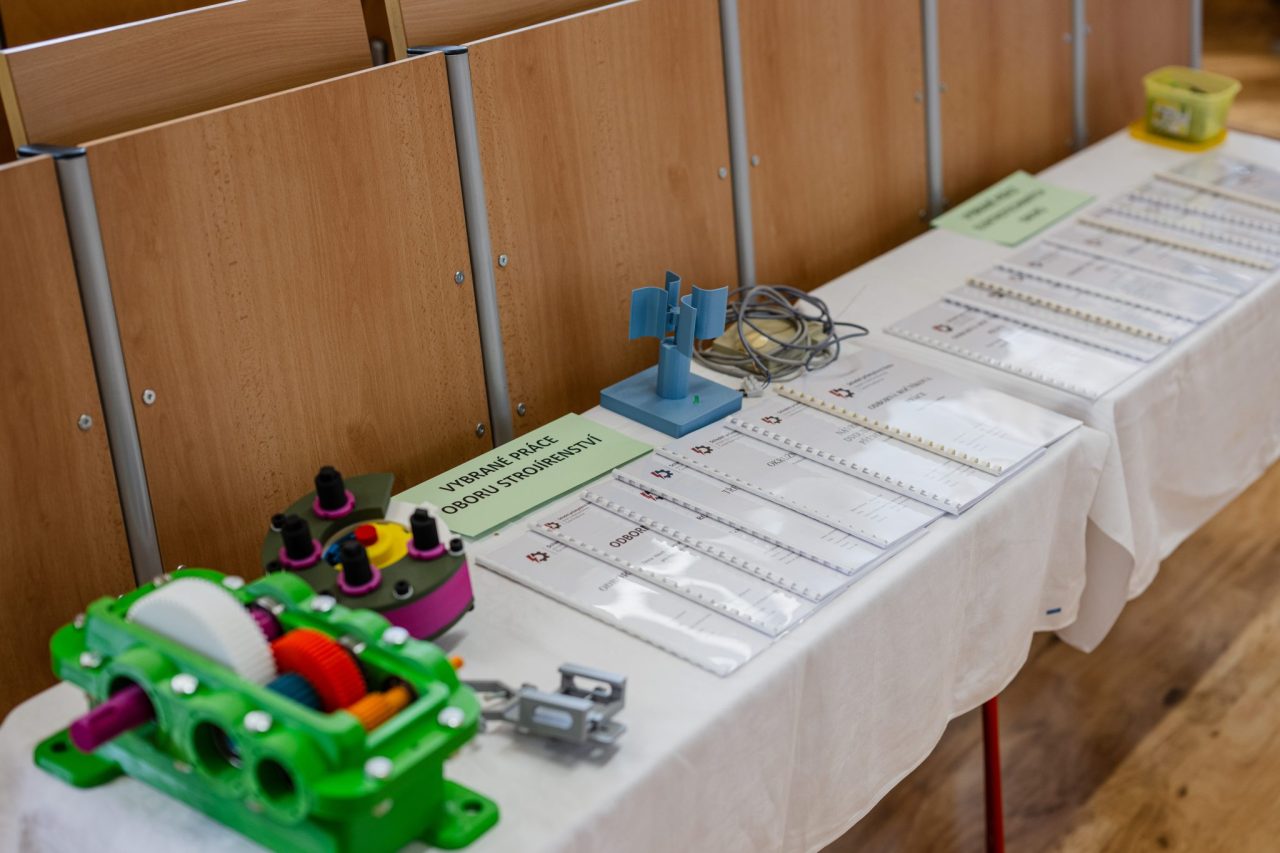
Out of a total of 201 final-year projects, 16 projects from across the second and third years were selected for the university-wide presentation. The students presented a wide variety of topics from the fields of mechanical engineering, electrical engineering, automation and modern technologies. Among the projects presented were, for example, a hovercraft, a motorcycle assembly stand, a hand-cranked generator for charging mobile phones, a remote-controlled tracked chassis, a wind turbine, a robotic arm, a drone navigating a maze, and a measuring device for current and voltage.
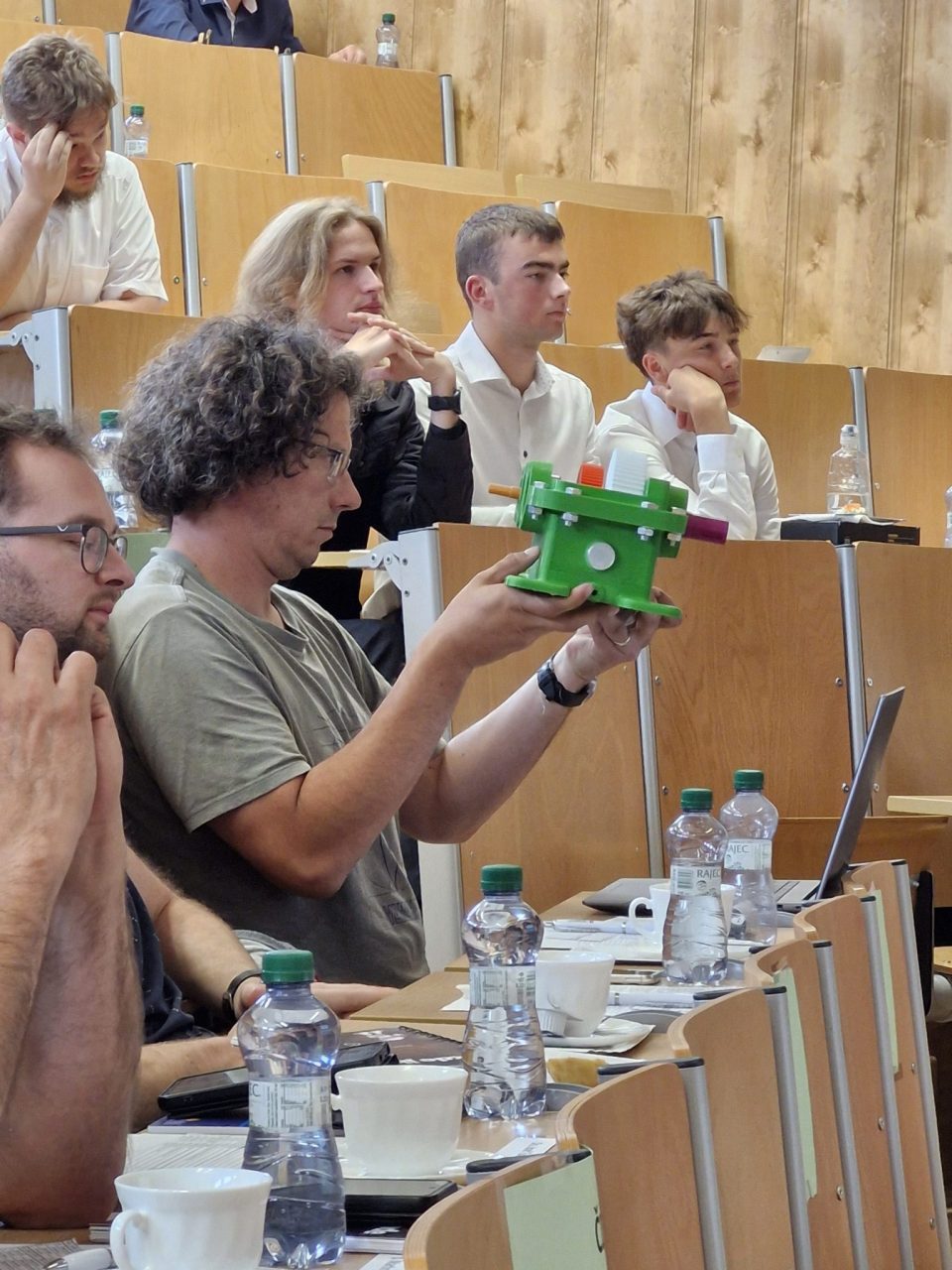
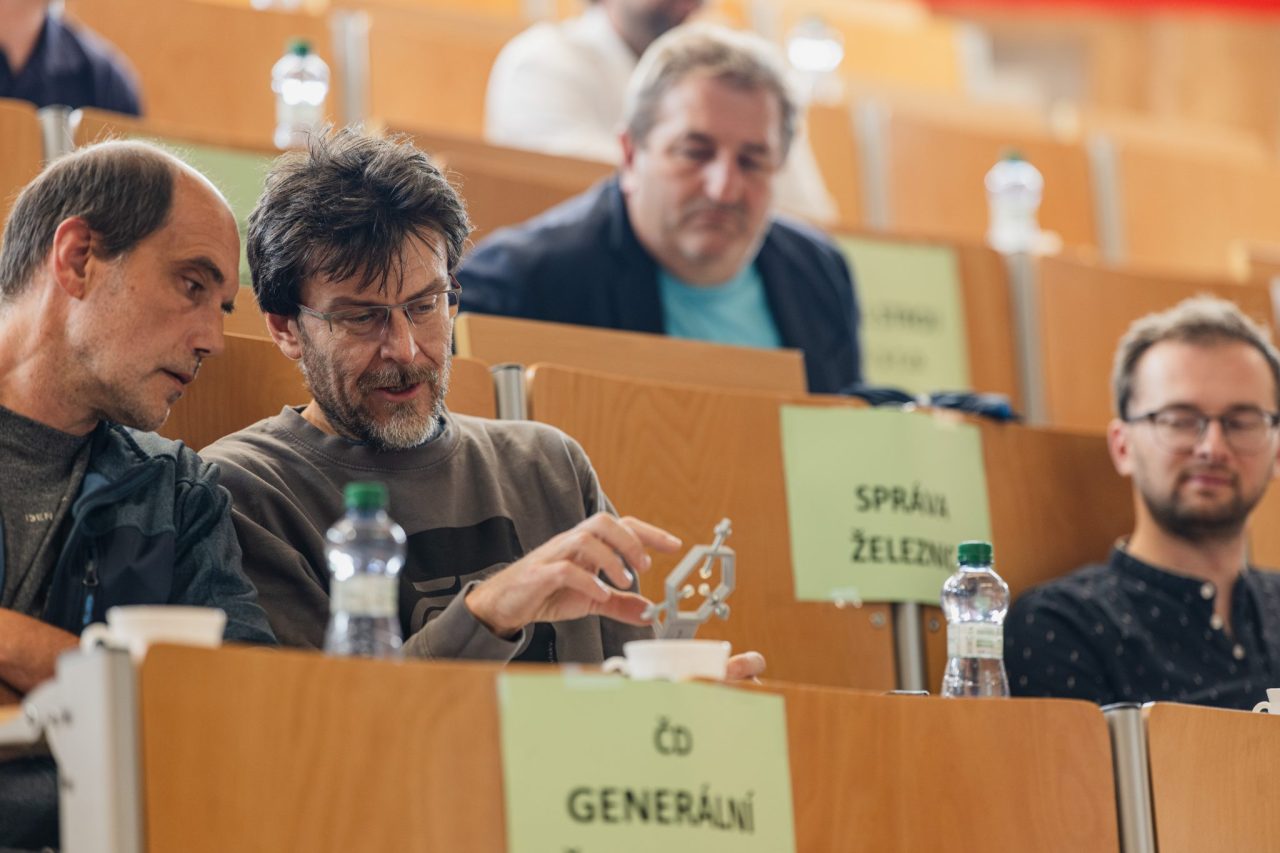
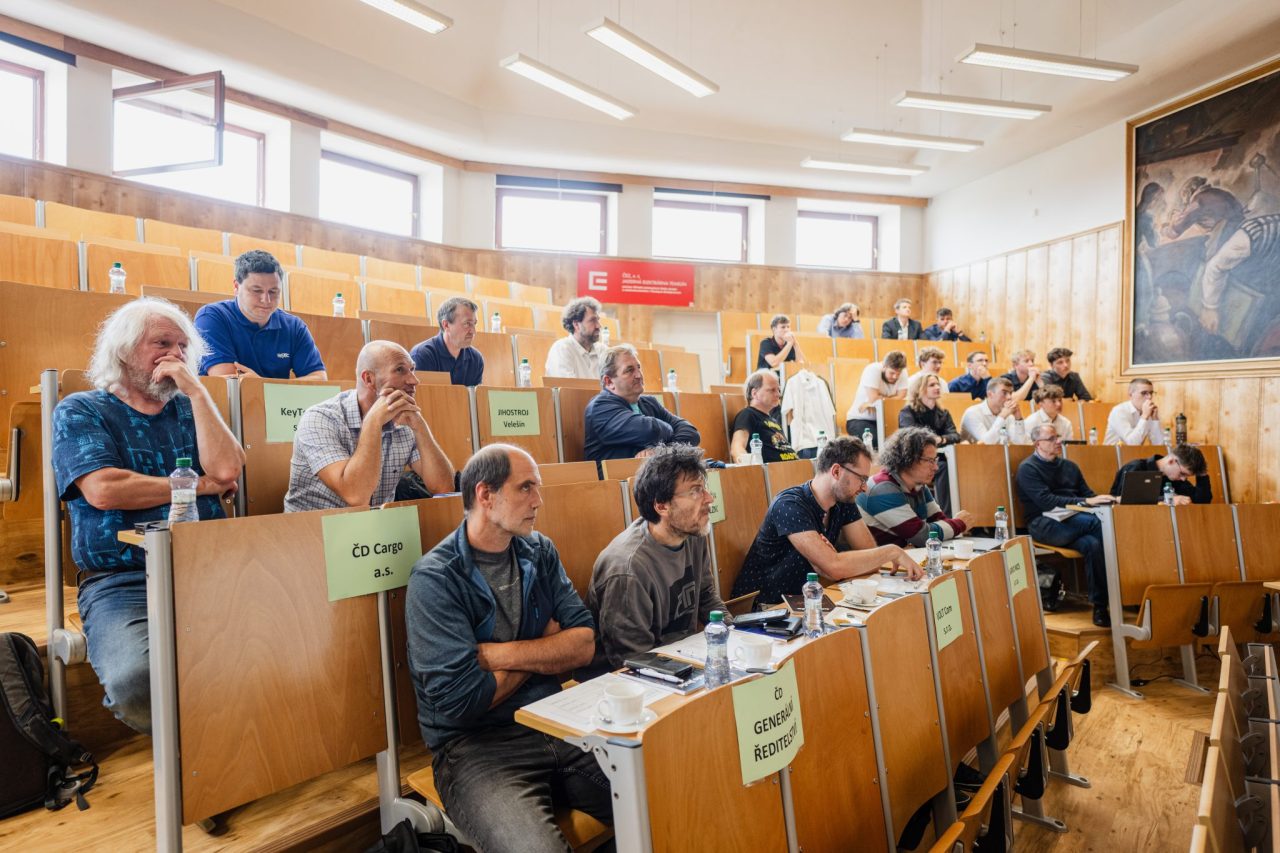
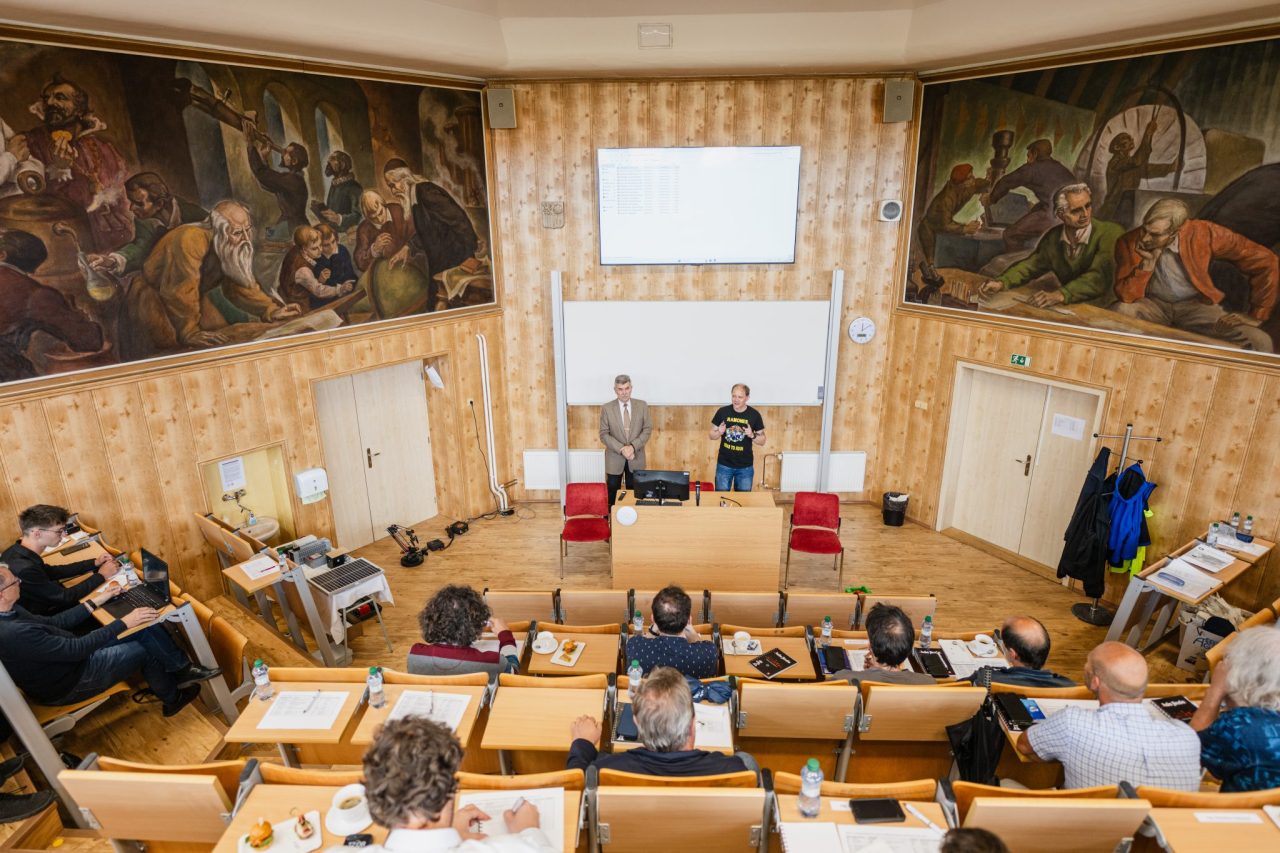
Representatives from partner companies also attended the university-wide presentation and provided the students with valuable feedback. They particularly praised the improvement in presentation skills between the second and third years, the students’ interest in their chosen topics, their ability to seek technical solutions, and the fact that some students took the economic aspects of the project into account in their work or carried out their own market research.
Company representatives also praised the students’ perseverance – in particular, their ability not to give up at the first sign of failure, to look for alternative approaches and to try to solve the problem again. At the same time, they advised the students to work more with their own photographs and source material, to pay attention to the origin of the materials used, not to buy ready-made solutions without making their own contribution, and to take greater care with the formatting, citations and overall appearance of the written part of their work.
This year, the entire system for submitting and processing coursework was carried out electronically and ran without any major problems. To help students find their way around, there is also a guidance note on writing end-of-year projects, which includes the recommended structure, a sample title page, deadlines and other details.
We would like to thank all the students who successfully completed and presented their final-year projects, as well as their supervisors and lecturers who supported them throughout the process. A big thank you also goes to representatives from KEYTEC České Budějovice, ENGEL strojírenská, JIHOSTROJ Velešín, ČD Cargo, VOLTCOM, AGRIO MZS, České dráhy and Správa železnic for their participation, feedback and long-standing cooperation with the school.
(editors)
Scope
Year
Student
Hovercraft
2.EM
Jan Riziky – 3rd place
Connecting a mobile phone to the eyepiece of a telescope or microscope
2.S
Martin Socha – 2nd place
Motorcycle mounting stand
2.S
Josef Sýkora – 1st place
Automated switching between photovoltaic power and batteries
2.EE
Milan Míšek
A hand-crank generator as a mobile phone charger
2.EE
Martin Čížek – 3rd place
Remote-controlled tracked chassis
2.ER
Václav Janda – 1st place
Rotating motion detector
2.ER
Tadeáš Řehoř – 2nd place
Wind turbine
3.EM
Ondřej Jaroslav Malík – 2nd place
Circular saw
3.S
Kristián Vojč
Two-speed gearbox with spur gears
3.S
Lukáš Halada – 1st place
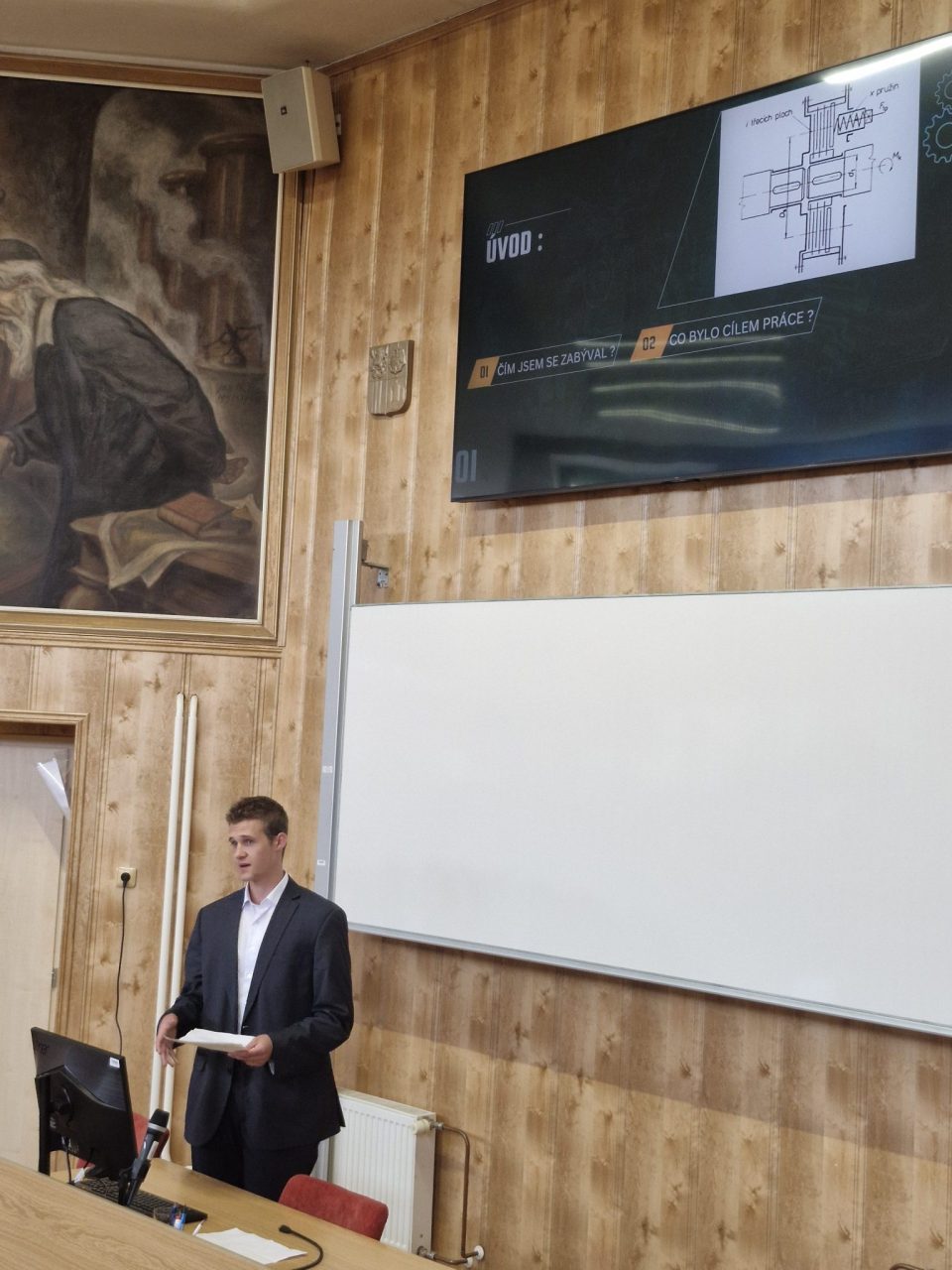
Friction clutch
3.S
Tomáš Gaško – 3rd place
Function generator
3.EE
Richard Valík – 3rd place
A measuring instrument for measuring current and voltage



 English
  Czech
Czech