Excursion of 1.EE and 1.ER to the University of South Bohemia: radiation, plasma and fog chamber
On May 5, 2026, students of classes 1.EE and 1.ER went on an excursion to the Faculty of Science of the University of South Bohemia. During the visit, they tried measuring radiation, looked into several specialist laboratories and saw experiments that brought them closer to physics in a different way.
Share:
On 5th May our class 1.EE and class 1.ER went on a field trip to the Faculty of Science of the University of South Bohemia. The whole excursion started with a short talk about radioactivity, where we all had the opportunity to show our knowledge. Then we divided into different groups and went to the laboratories. But before that we tried measuring radiation with a dosimeter from CzechRad. We found out which box contained slightly radioactive KCL and which did not.
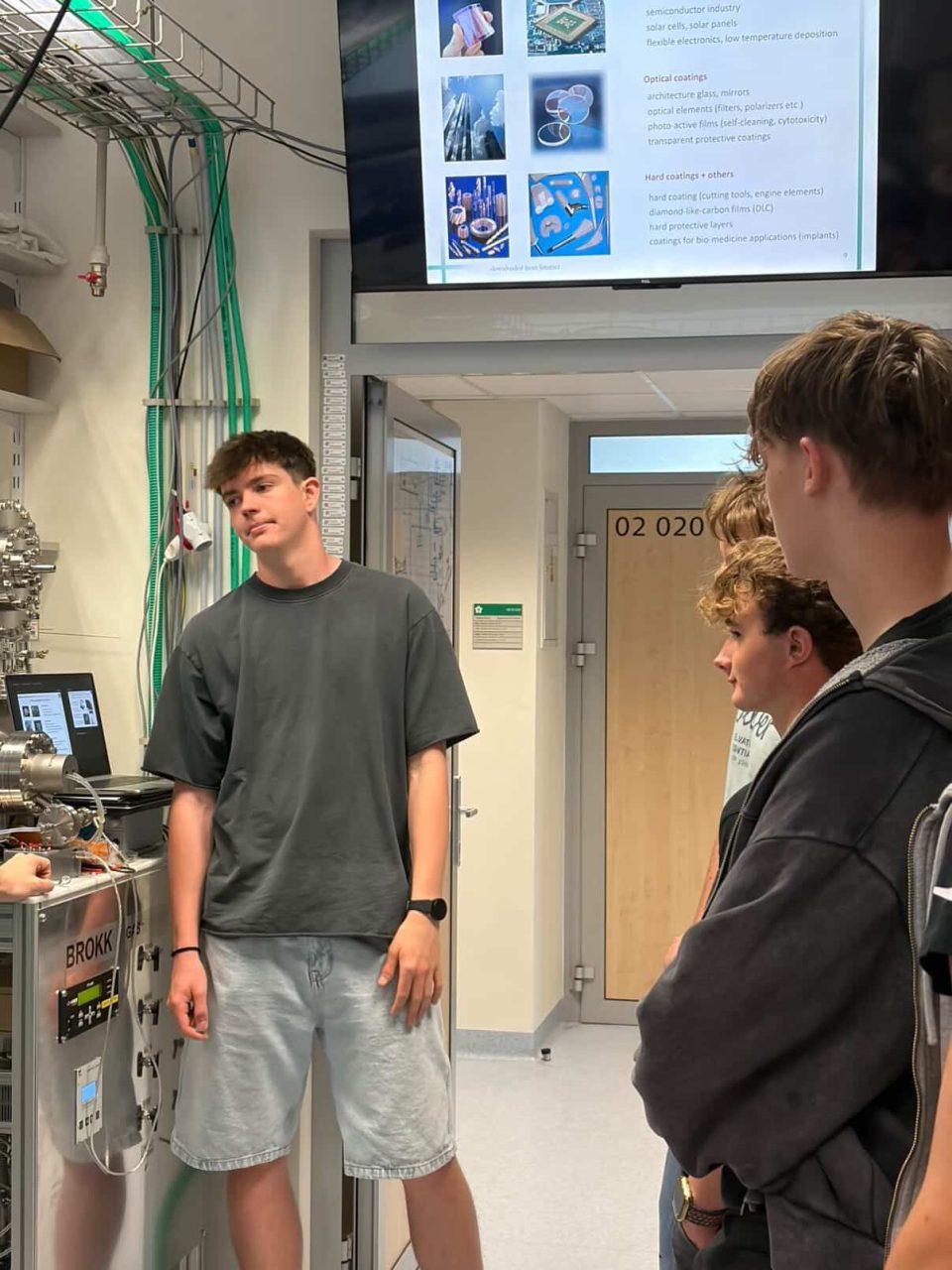
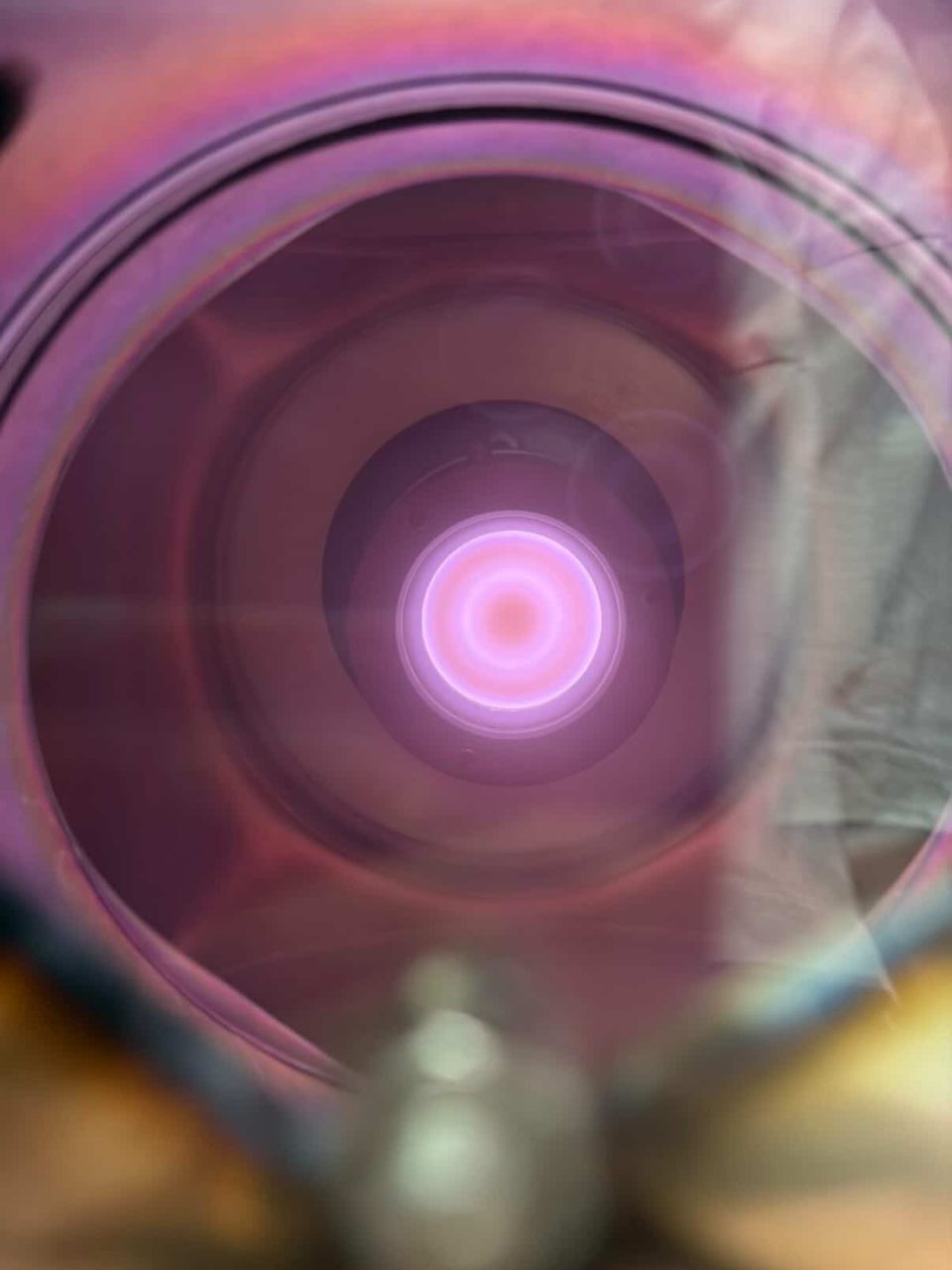
The first lab we visited was dealing with nanomaterials and plasma. They explained to us how plasma is created and at the same time they showed us demonstrations. We also learnt how nano layers are formed on different materials and how plastic can be plated.
The second laboratory specialized in acoustics. We could even try to mix our own version of a Queen song on the mixing desk. In another lab, equipped with optical spectroscopy, they showed us a laser that had the power of one unit of the Temelin nuclear power plant, but only for a fraction of a second. They also explained why we couldn't see infrared light with the naked eye.
In the last laboratory, we had an experiment with a fog chamber in which it is possible to see radiation due to condensation and ionization of steam. We were able to observe what the different types of radiation look like, and we also learned how we can build a similar experiment at home.
I was most intrigued by the plasma - how it looks and how we can change it depending on which gas we choose. The fog chamber experiment was also very interesting, where we could finally see what we had only known as numbers on the measuring instruments. I was also very interested in the information about CzechRad, which helps to find out radiation levels around the world and stores the recorded values in an online map. Anyone can take measurements, free of charge, but they must provide their measurements to the company.
I liked the whole excursion very much. It was interesting, beneficial and inspiring. I learned a lot of new information and took away a lot of interesting knowledge.



 English
  Czech
Czech